
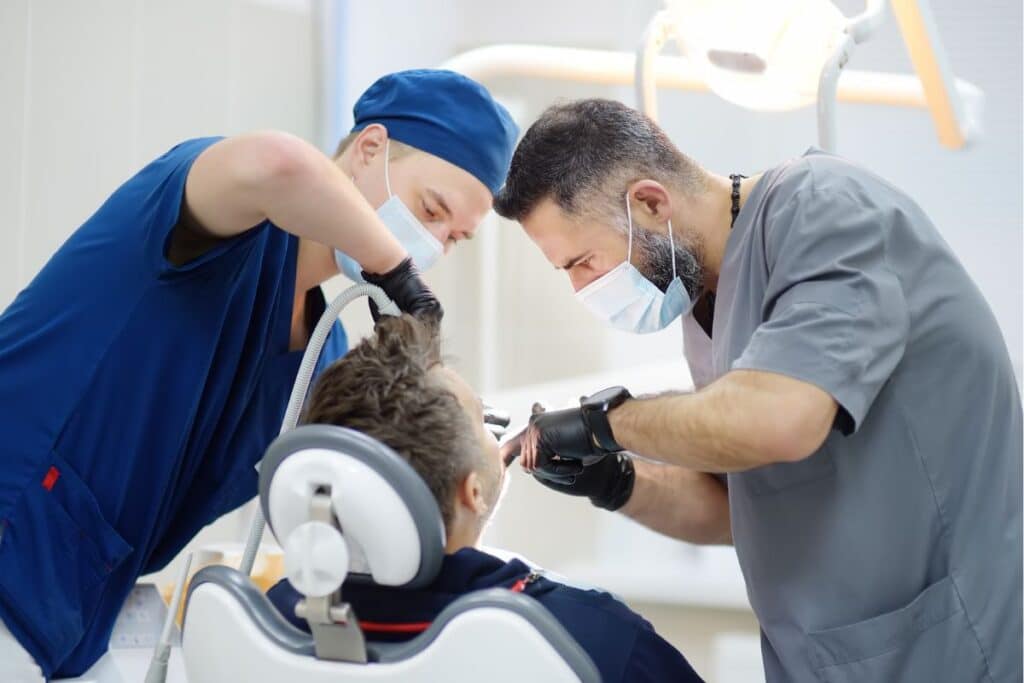
Visiting the dentist can be a daunting experience for many people, especially children. The unfamiliar environment, the sound of dental tools, and the fear of potential pain can cause significant anxiety. Many dentists use conscious sedation methods to ensure that patients, particularly children, have a comfortable and stress-free experience. These techniques help relax patients while keeping them awake and responsive, making dental procedures more manageable for the dentist and the patient.
What is Conscious Sedation?
Conscious sedation is a method dentists use to help patients relax during dental procedures. Unlike general anesthesia, which renders the patient completely unconscious, conscious sedation allows the patient to remain awake, aware, and able to respond to instructions. However, the patient will be in a deeply relaxed state and may not remember much of the procedure afterward.
Conscious sedation is particularly beneficial for patients who experience dental anxiety or have a low pain threshold. It’s also useful for patients undergoing longer or more complex procedures, where keeping the patient still and calm is crucial for the dentist to perform their work effectively.
Conscious Sedation Methods
There are several methods of conscious sedation that dentists can use, depending on the patient’s age, medical history, and the complexity of the procedure. Below are the most commonly used conscious sedation techniques in dentistry:
1. Oral Sedation
Oral sedation is one of the most common methods used to induce conscious sedation. It involves administering a sedative pill to the patient about an hour before the dental procedure. The medication typically belongs to the benzodiazepine family, such as diazepam (Valium) or midazolam, and works by calming the patient’s nerves.
Patients who receive oral sedation remain awake during the procedure but feel drowsy and relaxed. They are still able to communicate with the dentist and follow instructions, though they may have little memory of the procedure afterward. Oral sedation is safe and effective for both adults and children, making it a popular choice for managing dental anxiety.
2. Nitrous Oxide Sedation (Laughing Gas)
Nitrous oxide, commonly known as laughing gas, is another widely used method for conscious sedation, especially in pediatric dentistry. Nitrous oxide is administered through a mask that fits over the patient’s nose. As the patient inhales the gas, they begin to feel light-headed, euphoric, and calm, which helps alleviate their anxiety.
One of the advantages of nitrous oxide is that its effects wear off quickly once the gas supply is stopped, allowing patients to recover rapidly and resume their normal activities after the procedure. It’s also a safe option for children, as it’s non-invasive and easy to administer.
3. Intravenous (IV) Sedation
Intravenous (IV) sedation involves administering a sedative directly into the patient’s bloodstream through a vein. This method provides a deeper level of sedation compared to oral or nitrous oxide sedation, making it suitable for more complex or lengthy dental procedures.
With IV sedation, the patient remains conscious but is in a state of deep relaxation and may drift in and out of sleep. The dentist or an anesthesiologist closely monitors the patient’s vital signs throughout the procedure to ensure their safety. Because of its deeper sedative effect, IV sedation is often used for patients who have severe dental anxiety or who need extensive dental work.
Why Dentists Use Conscious Sedation for Children
Most kids become uneasy when they go to the dentist’s office. We can’t blame them, though, with all they’ve heard from friends or seen on TV and in movies. Nevertheless, dentists put up with all that anxiety. After all, it’s their job. So what do they do to keep kids at ease? Simply, they use sedation techniques to keep kids sitting still long enough for the procedure to be done.
In conscious sedation, the dentist may give medicine to relax the child. With this method, the child remains conscious and can respond to the dentist. There are various ways of doing this. The most commonly used method to induce sedation is to give the child a pill. Other methods involve giving injected or intravenous sedatives. Also, there’s one method that leaves the kids laughing.
Colloquially known as laughing gas, nitrous oxide is often used to ease the fears of nervous children. This way, they receive dental treatment safely and comfortably. Here, laughing gas is delivered through a gas mask, which the child will be asked to breathe through.
If the laughing gas doesn’t work, medicines are orally given to level the child’s anxiety. Though he or she may become sleepy, the child can still respond to the dentist’s commands.
If the dentist needs the child to be asleep during a dental procedure, he or she may induce unconsciousness by giving general anesthesia. Here, the child won’t feel any pain and will sleep during the entire dental procedure.
Safety and Precautions
While conscious sedation is generally safe, dentists need to assess each patient’s medical history and current health status before administering any form of sedation. This ensures that the chosen sedation method is appropriate and minimizes the risk of complications.
Patients are typically advised to avoid eating or drinking for a few hours before the procedure, especially if IV sedation is being used. After the procedure, patients may need someone to accompany them home, as the sedative effects can take some time to fully wear off.
Conclusion
Conscious sedation methods have revolutionized the way dental care is provided, making it more accessible and comfortable for patients of all ages. Whether it’s helping a nervous child sit through a dental cleaning or allowing an anxious adult to undergo a complex procedure, conscious sedation plays a vital role in modern dentistry.
If you or your child are anxious about an upcoming dental visit, don’t hesitate to discuss sedation options with your dentist. With the right method, you can ensure a stress-free and positive dental experience.