
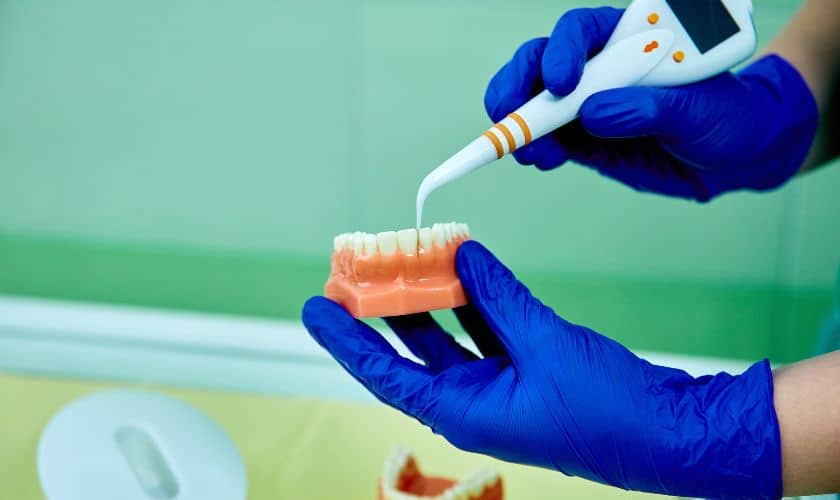
Did you know that your oral health can affect not only the appearance of your smile but also your overall health? In fact, research shows that poor oral hygiene and untreated gum disease can lead to serious medical conditions such as heart disease and diabetes. With this in mind, we’re here to emphasize why taking good care of your gums is just as important as brushing and flossing for maintaining healthy teeth. So let’s dive into everything you need to know about periodontal care and why it should be an essential part of your daily routine!
What is Periodontal Care?
Periodontal care is the process of maintaining the health of your gums and prevent gum disease. It is important to keep your gums healthy because they support your teeth and keep them in place. When you have gum disease, your gums can become inflamed, bleed easily, and pull away from your teeth. This can lead to tooth loss.
Periodontal care involves regular brushing and flossing, as well as visits to the dentist for professional cleanings. During a professional cleaning, your dentist will remove plaque and tartar from your teeth and gums. Plaque is a sticky film of bacteria that forms on your teeth. Tartar is plaque that has hardened on your teeth. Professional cleanings can help prevent gum disease and keep your gums healthy.
Benefits of Good Oral Hygiene and Periodontal Care
Good oral hygiene and periodontal care are essential for keeping your mouth healthy. Here are some of the benefits of good oral hygiene and periodontal care:
1. Prevention of cavities and tooth decay: Good oral hygiene helps to remove plaque, which is a sticky film of bacteria that forms on teeth. Plaque can lead to cavities and tooth decay if it is not removed.
2. Prevention of gum disease: Gum disease is an infection of the gums that can lead to tooth loss. Good oral hygiene helps to remove plaque and tartar (a hard deposit of plaque) from teeth, which can help prevent gum disease.
3. Fresher breath: Plaque and tartar can cause bad breath. Removing these deposits with good oral hygiene can help to freshen your breath.
4. Healthier teeth and gums: Good oral hygiene helps to keep your teeth and gums healthy by removing plaque and tartar, which can cause inflammation and infection.
Symptoms of Poor Oral Health
It’s important to keep your mouth healthy because poor oral health can lead to a number of serious health problems. Some of the symptoms of poor oral health include:
Bad breath: If you have bad breath that doesn’t go away with brushing and flossing, it could be a sign of gum disease. Gum disease is an infection of the gums that can cause them to pull away from the teeth, which leads to bad breath.
Tooth decay: Tooth decay is caused by plaque, a sticky film of bacteria that forms on the teeth. Plaque produces acids that eat away at tooth enamel, causing cavities.
Bleeding gums: Bleeding gums are a sign of gum disease. When the gums are inflamed, they bleed easily when brushed or flossed.
Loose teeth: Loose teeth can be a sign of gum disease. Gum disease causes the gums to pull away from the teeth, making them loose.
Sores in the mouth: Sores in the mouth can be caused by a number of things, including infection, allergies, or even cancer. If you have a sore that doesn’t go away within two weeks, you should see your dentist.
How to Keep Your Teeth and Gums Healthy
Your teeth and gums are important part of your overall health, so it’s important to take care of them. Here are some tips to keep your smile healthy:
Brush your teeth twice a day with a soft-bristled toothbrush and fluoride toothpaste. Be sure to brush gently, using circular motions.
Floss at least once a day to remove plaque and food particles from between your teeth and below the gumline.
Visit your dentist regularly for professional cleanings and checkups. This is especially important if you have any risk factors for periodontal disease, such as diabetes or smoke cigarettes.
If you have any concerns about your oral health, don’t hesitate to talk to your dentist. They can help you develop a personalized plan for keeping your smile healthy!
Tips for Improving Your Oral Health
1. Schedule regular dental checkups and cleanings. This allows your dentist to monitor your oral health and identify any potential problems early on.
2. Practice good oral hygiene at home by brushing and flossing daily. This helps remove plaque and bacteria from your teeth and gums.
3. Eat a healthy diet that includes plenty of fruits, vegetables, and whole grains. These foods help keep your teeth and gums healthy by providing essential nutrients.
4. Quit smoking or using other tobacco products. Tobacco use is a major risk factor for gum disease and other oral health problems.
5. Limit your alcohol consumption. Excessive alcohol use can also lead to oral health problems such as tooth decay and gum disease.
Common Treatments for Periodontal Disease
The most common treatments for periodontal disease are scaling and root planing, also known as a deep clean. This is a process of removing tartar (hardened plaque) both above and below the gum line, and smoothing out the roots of your teeth to prevent bacteria from accumulating there again. Your dentist or hygienist will numbing your gums before beginning this procedure.
Other common treatments include antibiotics, which can be taken orally or applied directly to the gums, and surgery to remove infected tissue or repair damage caused by the disease. In severe cases, a tooth may need to be extracted.
If you have periodontal disease, it is important to follow your treatment plan and keep up with regular dental visits. You should also brush twice a day, floss daily, and use an antibacterial mouthwash to help control the infection.
Conclusion
To sum up, periodontal care is essential to taking good care of your oral health. Regular visits to the dentist and brushing twice a day with fluoride toothpaste should be part of your daily routine in order to keep your teeth and gums healthy. If you have any questions or concerns about periodontal disease, speak with your doctor or dental professional as soon as possible so that you can get the best treatment for yourself. Taking proper care of your teeth now will ensure better oral health later on down the line.
FAQs
-What is periodontal disease and how does it affect my oral health?
Periodontal disease is an infection of the gums that can damage the bone supporting your teeth. If left untreated, it can lead to tooth loss.
-What are the symptoms of periodontal disease?
The symptoms of periodontal disease include red, swollen, or bleeding gums; bad breath; and tooth loss.
-How can I prevent periodontal disease?
You can prevent periodontal disease by brushing and flossing regularly, eating a balanced diet, and visiting your dentist for regular checkups and cleanings.
-What is the treatment for periodontal disease?
The treatment for periodontal disease will depend on the severity of the disease. It may involve a deep cleaning, antibiotics, or surgery.