
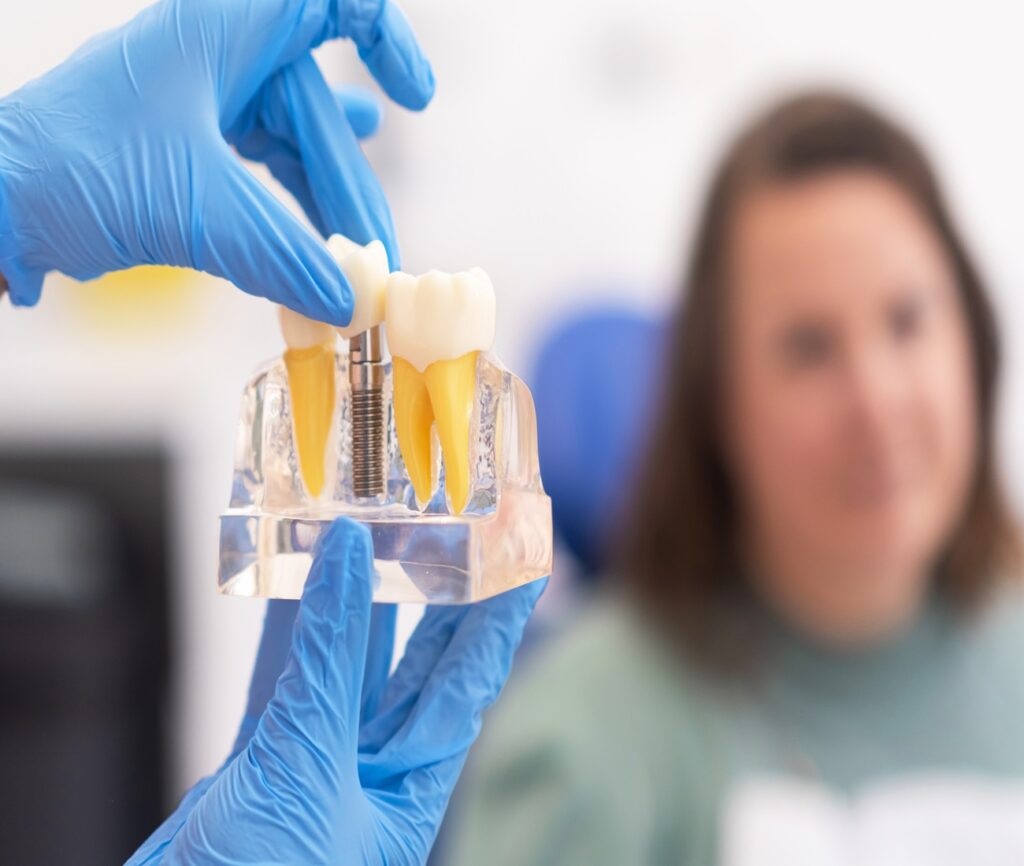
Losing a tooth can feel overwhelming — but dental implants offer an amazing solution that looks, feels, and functions like your natural teeth. Before you can enjoy a complete smile again, however, there’s one crucial step many patients encounter: bone grafting. If your jawbone doesn’t have sufficient support, this preparatory procedure provides dental implants with the strong foundation they need.
Whether you’re just beginning your smile journey or considering options, here’s an easy-to-understand look at why bone grafting matters, how it works, and what you can expect.
What Is Bone Grafting?
Bone grafting is a dental procedure that adds bone material to your jaw where there isn’t enough natural bone to support an implant. This can happen because of:
- Tooth loss
- Gum disease
- Injury or trauma
- Long periods without a tooth in place
The graft material acts as a scaffold, encouraging your own bone to grow and strengthen the area over time.
There are several sources for this bone material — it might come from your own body, a donor, or even a synthetic substitute — and your dentist will recommend the best option for you.
Why Is Bone Grafting Important for Dental Implants?
Dental implants are titanium posts surgically placed into your jawbone to mimic the roots of natural teeth. For an implant to be successful, it needs enough healthy bone to fuse with — a process called osseointegration. If the bone isn’t strong enough, the implant could fail.
Bone grafting helps by:
- Creating a stable foundation for long-lasting dental implants.
- Preventing future bone loss after tooth loss.
- Improving how your smile looks by maintaining jaw structure and contours.
- Expanding your treatment options, even if your bone was once too thin.
Without sufficient bone, implants may not integrate fully, leading to discomfort or failure down the road.
The Bone Grafting Process — What to Expect
Here’s a general idea of how things go:
- Consultation & Imaging: Your dentist will take scans and X-rays to assess bone quality.
- Grafting Procedure: Bone material is placed where needed. This is typically done under local anesthesia, so you stay comfortable.
- Healing Time: Bone grafts take time to mature and integrate — often several months. This healing period ensures your jaw is strong enough for implant placement.
- Implant Placement: Once the graft has healed and your jaw is ready, your dental implants can be placed with confidence.
Most people experience minimal discomfort, and any soreness afterward can be managed with medication as directed by your dental provider.
Frequently Asked Questions
Q: Is bone grafting painful?
A: During the procedure, you’ll be numb or sedated — so you shouldn’t feel pain. Afterwards, mild discomfort and swelling are normal and can be managed with prescribed care.
A: During the procedure, you’ll be numb or sedated — so you shouldn’t feel pain. Afterwards, mild discomfort and swelling are normal and can be managed with prescribed care.
Q: How long does bone graft healing take?
A: Healing varies based on the size of the graft and your overall health. Smaller grafts may integrate in a few months, while larger ones could take closer to a year.
A: Healing varies based on the size of the graft and your overall health. Smaller grafts may integrate in a few months, while larger ones could take closer to a year.
Q: Can I have dental implants at the same time as a bone graft?
A: In some cases, yes. If your existing bone is strong enough for initial implant stability, your dentist may place both on the same day. In other situations, it’s safer to graft first and let it heal before placing the implant.
A: In some cases, yes. If your existing bone is strong enough for initial implant stability, your dentist may place both on the same day. In other situations, it’s safer to graft first and let it heal before placing the implant.
Q: Are there risks with bone grafting?
A: Like any surgery, risks are possible — such as infection or delayed healing — but they’re rare when performed by an experienced dental team and with proper aftercare.
A: Like any surgery, risks are possible — such as infection or delayed healing — but they’re rare when performed by an experienced dental team and with proper aftercare.
Ready to Take the Next Step?
If you’re considering dental implants and want to know whether bone grafting is part of your treatment plan, we’re here to help. Visit our dental office and let us evaluate your smile goals. Book an appointment today to discuss your options, ask questions, and get a personalized treatment plan that’s right for you.