
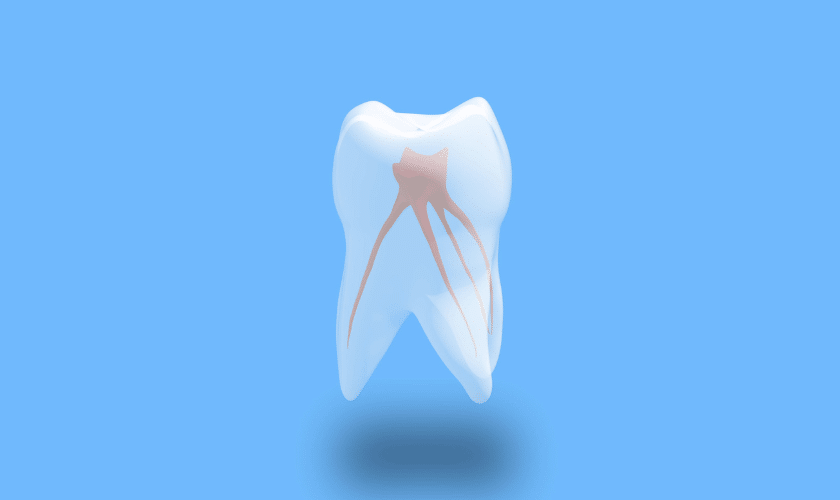
Endodontic retreatment is a dental procedure performed when a previously treated tooth experiences issues or complications that require further intervention. Understanding when endodontic retreatment is necessary and what to expect during the process can help patients make informed decisions about their oral health.
When Is Endodontic Retreatment Necessary?
- Persistent Symptoms: If you experience persistent pain, swelling, or discomfort in a tooth that has undergone root canal treatment, it may indicate the need for retreatment.
- Incomplete Healing: X-rays showing persistent infection or inadequate healing around the root of the tooth may require retreatment to address the underlying issue.
- New Infection: A new infection or decay in a previously treated tooth may necessitate retreatment to remove the infection and restore dental health.
- Cracked or Damaged Filling: Damage to the filling or crown of a treated tooth can allow bacteria to enter, leading to the need for retreatment.
What to Expect During Endodontic Retreatment:
- Consultation and Evaluation: Your dentist will conduct a thorough examination, including X-rays, to assess the condition of the tooth and determine the need for retreatment.
- Anesthesia: Local anesthesia will be administered to ensure a comfortable and pain-free experience during the procedure.
- Removal of Filling: The old filling or crown will be removed to access the root canal and assess any existing issues.
- Cleaning and Disinfection: The root canal space will be cleaned, disinfected, and reshaped to remove any infection or debris.
- Filling and Sealing: The root canal will be filled with a biocompatible material and sealed to prevent further infection.
- Restoration: After retreatment, a new filling or crown may be placed to restore the tooth’s structure and functionality.
Benefits of Endodontic Retreatment:
- Preserve Natural Teeth: Retreatment allows for the preservation of natural teeth, avoiding the need for extraction.
- Relieve Pain and Discomfort: Addressing underlying issues through retreatment can alleviate pain and discomfort associated with dental problems.
- Restore Functionality: Restoring the health of a previously treated tooth enables normal chewing and biting function.
- Prevent Future Complications: By addressing infection or damage early, retreatment helps prevent potential complications and further dental issues.
Conclusion:
Endodontic retreatment is a valuable option for preserving natural teeth and restoring dental health. Knowing when retreatment is necessary and understanding the process can help patients make informed decisions about their oral care. If you experience persistent symptoms or concerns with a previously treated tooth, consult your dentist for an evaluation and discussion about endodontic retreatment.