
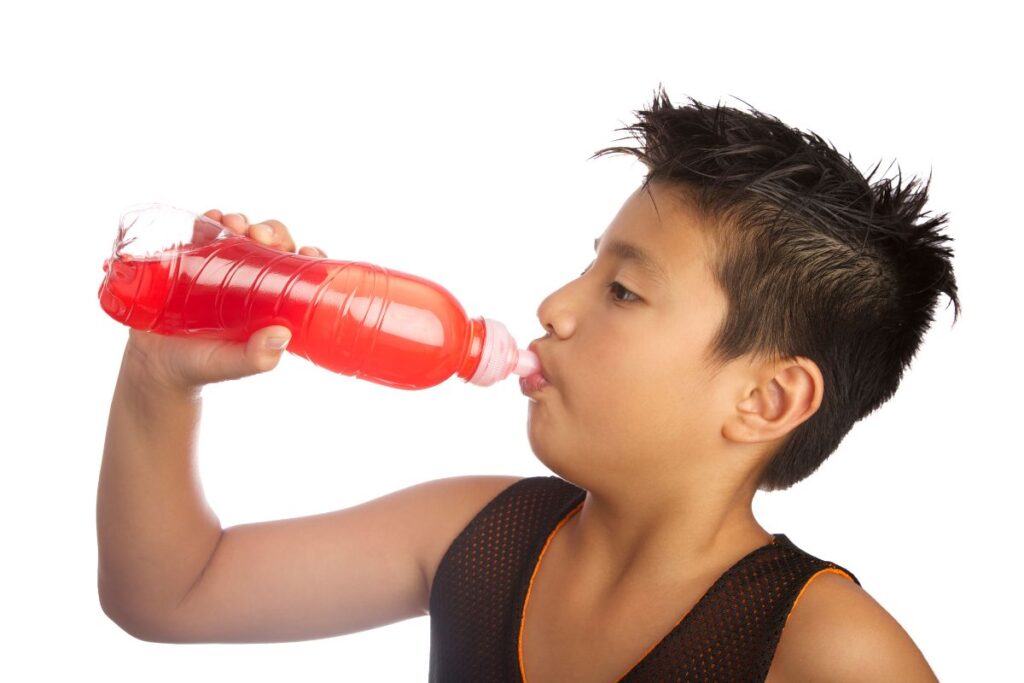
Picture this: It is a warm Saturday afternoon at the soccer fields right here in Tullahoma, Tennessee. Your child is running their heart out, chasing the ball down the turf. Halfway through the game, the referee blows the whistle for a water break, and your kiddo runs over to grab a brightly colored sports drink from the cooler.
It looks harmless, right? After all, these beverages are marketed as essential fuel for young athletes, packed with electrolytes to help them recover, stay hydrated, and keep their energy levels high.
However, behind those neon colors, catchy commercials, and sleek athletic branding lies a hidden danger for your child’s smile. As a trusted dentist in Tullahoma, we frequently see the dental toll that sports drinks take on growing smiles.
If you are a parent wondering whether those neon bottles are secretly wrecking your child’s teeth, you are in the right place. Let’s break down the science, the risks, and what you can do to protect your young athlete’s oral health.
The Athletic Appeal vs. The Dental Reality
It is easy to see why children and teenagers love sports drinks. They taste sweet, they come in vibrant flavors like “Blue Lightning” or “Fruit Punch,” and kids see their favorite professional athletes drinking them on television.
For parents, these drinks seem like a smart choice during long tournaments, hot summer practices, or grueling cross-country meets. After all, kids need to replenish the fluids and electrolytes they sweat out, right?
While sports drinks do serve a valid purpose for elite endurance athletes performing intense, high-intensity exercise for longer than an hour, they are vastly overconsumed. Most children and teenagers chug them during standard practices, gym classes, or even just as an everyday beverage at lunch.
Unfortunately, sports drinks are a triple threat to children’s teeth: they are loaded with sugar, packed with acid, and chemically adhesive.
The Hidden Culprits: Sugar and Acid
To understand why sports drinks are so damaging to young teeth, we have to look closely at what is actually inside that bottle. Two main ingredients spell trouble for enamel:
1. High Sugar Content
Most sports drinks contain massive amounts of added sugars. When your child drinks a sugary beverage, the harmful bacteria that naturally live inside their mouth feed on those sugars. As these bacteria digest the sugar, they produce a byproduct: acid. This acid launches an attack on your child’s tooth enamel, the hard, protective outer shell of the tooth, stripping away essential minerals.
2. High Acidity Levels
Even “low sugar” or “zero sugar” sports drinks are not off the hook. Why? Because sports drinks are inherently acidic. Citric acid, phosphoric acid, and other flavoring agents are added to give these drinks their tart, refreshing taste.
When acid enters the mouth, it directly lowers the PH balance, instantly softening tooth enamel on contact. If the enamel is softened by acid and coated in sticky sugar, cavities can form at an alarming rate.
Why Children and Teens Are Especially Vulnerable
You might wonder why adults can occasionally sip a sports drink without losing their teeth, while kids seem much more susceptible to damage. Several unique factors put children and teenagers at a much higher risk:
- Developing Enamel: Permanent teeth erupting in childhood and adolescence do not fully mature and harden for a few years after they break through the gums. Newly erupted permanent enamel is more porous and vulnerable to acid erosion than adult enamel.
- Frequent Sips Over Time: Kids rarely chug a sports drink all at once. Instead, they sip on it slowly throughout a two-hour soccer practice or baseball game. Every time they take a sip, the acid clock resets, subjecting their teeth to a continuous, prolonged acid bath.
- Lack of Saliva Flow During Exercise: When children play hard and sweat, their bodies redirect moisture. Their salivary glands produce less saliva. Saliva is the mouth’s natural defense mechanism; it washes away food particles, neutralizes acids, and helps remineralize teeth. With a dry mouth during sports, kids lose this natural protection.
Recognizing the Early Signs of Enamel Erosion
Because tooth decay and acid erosion happen gradually, the early warning signs are easy to miss. Parents should keep a close eye out for these red flags:
- Discoloration: Teeth that look dull, chalky, or yellowish (as the white outer enamel thins and exposes the yellowish dentin underneath).
- Sensitivity: Complains of pain or discomfort when eating or drinking hot, cold, or sweet items.
- Rough or Rounded Edges: Teeth edges that look transparent, worn down, or unusually rounded.
- White Spots: Chalky white spots forming near the gumline, which are often the very first stage of a cavity.
If you notice any of these changes in your child’s smile, it is time to visit our dental office for an evaluation before minor enamel wear turns into a painful cavity or requires a filling.
Smarter Hydration Alternatives for Young Athletes
Does this mean your child has to give up sports drinks entirely? Not necessarily, but moderation and smart habits are key. Here are some practical ways to keep your young athlete hydrated without sacrificing their smile:
1. Stick to Plain Water for Everyday Play
For routine practices, gym class, and normal day-to-day hydration, plain old water is always the gold standard. It has a neutral pH, contains zero sugar, and keeps the body hydrated without harming tooth enamel.
2. Save Sports Drinks for Intense Endurance
Reserve electrolyte-heavy sports drinks for high-intensity, prolonged athletic events lasting longer than 60 to 90 minutes (like a full soccer match in the summer heat or a track meet).
3. Encourage Faster Drinking
If your child does have a sports drink, encourage them to drink it relatively quickly rather than nursing it over the course of an entire afternoon. Use a straw when possible, as a straw helps bypass the teeth, minimizing direct liquid contact with the enamel.
4. Rinse with Water Afterward
As soon as the sports drink is finished, have your child rinse their mouth out with plain water to help wash away lingering sugars and neutralize acids.
5. Wait Before Brushing
It might feel counterintuitive, but you should not let your child brush their teeth immediately after drinking an acidic sports drink. Because acid temporarily softens enamel, brushing right away can actually scrub the softened minerals away. Wait at least 30 minutes to let saliva naturally reharden the enamel before picking up the toothbrush.
Keeping Smiles Bright in Tullahoma
Raising active kids in Middle Tennessee keeps parents busy running from one practice, game, and school event to the next. Amidst the chaos of youth sports, staying proactive about your child’s dental hygiene ensures they maintain a healthy, confident smile that lasts a lifetime.
At Glick & Woods Dentistry, Dr. Logan Smith, Dr. Kim Glick, and Dr. Larry Woods have been proudly caring for families right here in Tullahoma and the surrounding Coffee County communities since 1985. We love treating patients of all ages, providing a warm, family-friendly environment where even the most nervous young athletes feel right at home.
Whether it is time for your child’s routine bi-annual cleaning and checkup, or you have concerns about early enamel wear from sports drinks, we are here to help.
Don’t wait for a small cavity to turn into a toothache. To give your child the specialized, gentle dental care they deserve, book an appointment with Glick & Woods Dentistry today! Call our office at 931-455-3917 to schedule your family’s next visit.