
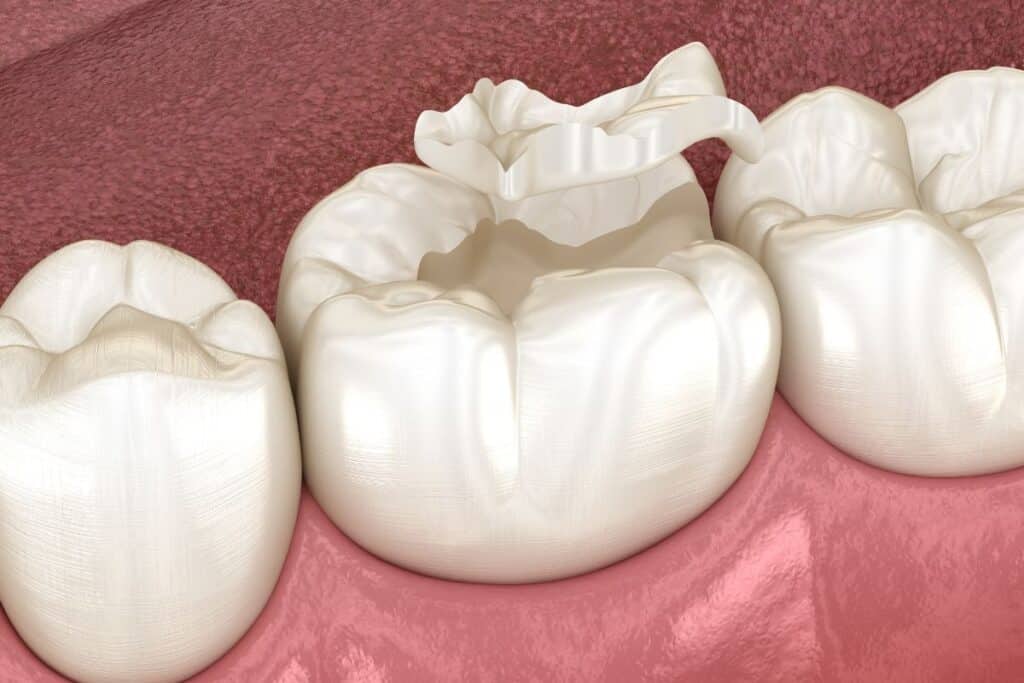
Losing a filling or crown can be a startling and uncomfortable experience. It often happens at the most inconvenient times, leaving you wondering what to do next. Don’t panic! While it’s crucial to see your dentist as soon as possible, there are steps you can take to manage the situation in the meantime.
Understanding the Importance of Fillings and Crowns
Before diving into solutions, let’s briefly understand why fillings and crowns are essential.
- Fillings: These are used to repair teeth damaged by decay. They fill the cavity left after the dentist removes the decayed portion, preventing further damage and restoring the tooth’s function.
- Crowns: These are tooth-shaped caps that cover a damaged or weakened tooth, restoring its shape, size, strength, and appearance. They’re often used after a root canal, for severely decayed teeth, or to protect a cracked tooth.
Losing either of these protective measures leaves your tooth vulnerable to further damage and infection.
Immediate First Aid: What to Do Right Away
When you realize you’ve lost a filling or crown, take these immediate steps:
- Rinse Your Mouth: Gently rinse your mouth with warm salt water. This helps to clean the area and remove any debris.
- Inspect the Area: Carefully examine the affected tooth. Check for sharp edges or any remaining pieces of the filling or crown.
- Pain Relief: If you’re experiencing pain, take over-the-counter pain medication like ibuprofen or acetaminophen.
- Protect the Tooth: If you have a lost filling or crown, gently rinse it and store it in a safe place. Your dentist might be able to re-cement it.
Temporary Solutions for Comfort and Protection
While waiting for your dental appointment, consider these temporary solutions:
- Temporary Dental Cement: You can find over-the-counter temporary dental cement at most pharmacies. Follow the product instructions to apply it to the affected area. This can help to protect the tooth and reduce sensitivity.
- Sugar-Free Chewing Gum: If you don’t have temporary cement, a small piece of sugar-free chewing gum can be used to temporarily fill the cavity. Avoid sugary gum, as it can worsen the problem.
- Cotton Ball: A small, clean cotton ball can be placed over the exposed tooth to protect it from food particles and reduce sensitivity.
Managing Sensitivity and Pain
Exposed dentin, the layer beneath the enamel, can be very sensitive to hot, cold, and sweet foods. Here’s how to manage sensitivity:
- Avoid Extreme Temperatures: Stay away from very hot or very cold foods and drinks.
- Soft Foods: Stick to soft foods that require minimal chewing.
- Desensitizing Toothpaste: Use a toothpaste formulated for sensitive teeth. These toothpastes contain ingredients that can help to block the nerve endings in the dentin.
- Gentle Brushing: Brush gently with a soft-bristled toothbrush to avoid irritating the sensitive area.
The Importance of Prompt Dental Care
It’s crucial to schedule a dental appointment as soon as possible. Delaying treatment can lead to:
- Increased Sensitivity and Pain: The longer the tooth is exposed, the more sensitive and painful it can become.
- Tooth Decay: Without the protection of a filling or crown, the tooth is more susceptible to decay.
- Infection: Bacteria can enter the exposed tooth, leading to an infection or abscess.
- Tooth Fracture: The weakened tooth is more likely to fracture or break.
- Gum Irritation: Sharp edges of the tooth or remaining cement can irritate the gums.
If you are experiencing severe pain, or have a visible infection, searching for an “emergency dentist near me” is highly recommended. For those who need immediate help, it’s important to find a clinic that offers “emergency dentistry.”
What to Expect at Your Dental Appointment
Your dentist will:
- Examine the Tooth: They’ll assess the damage and determine the best course of action.
- Clean the Area: They’ll thoroughly clean the affected area to remove any debris or bacteria.
- Replace the Filling or Crown: If possible, they may re-cement the original crown or create a new filling or crown.
- Address Any Underlying Issues: They’ll check for any signs of infection or other dental problems.
When in need of urgent dental care, an “emergency dentist” is the best option.
Prevention Tips for the Future
To minimize the risk of losing fillings or crowns in the future:
- Maintain Good Oral Hygiene: Brush twice daily, floss once daily, and use an antibacterial mouthwash.
- Regular Dental Checkups: Schedule regular dental checkups and cleanings to detect and address any potential problems early.
- Avoid Hard or Sticky Foods: These can dislodge fillings or crowns.
- Wear a Mouthguard: If you participate in contact sports, wear a mouthguard to protect your teeth.
- Address Teeth Grinding: If you grind your teeth, talk to your dentist about a nightguard.
For any dental needs, we encourage you to visit our dental office where our professional staff are ready to help. Losing a filling or crown can be unsettling, but by taking immediate steps and seeking prompt dental care, you can minimize discomfort and prevent further damage. Remember, your dentist is your best resource for maintaining a healthy and happy smile. Please don’t hesitate to book an appointment with us or call us at +1-931-455-3917 as soon as possible, so that we can get your smile back to its best.