
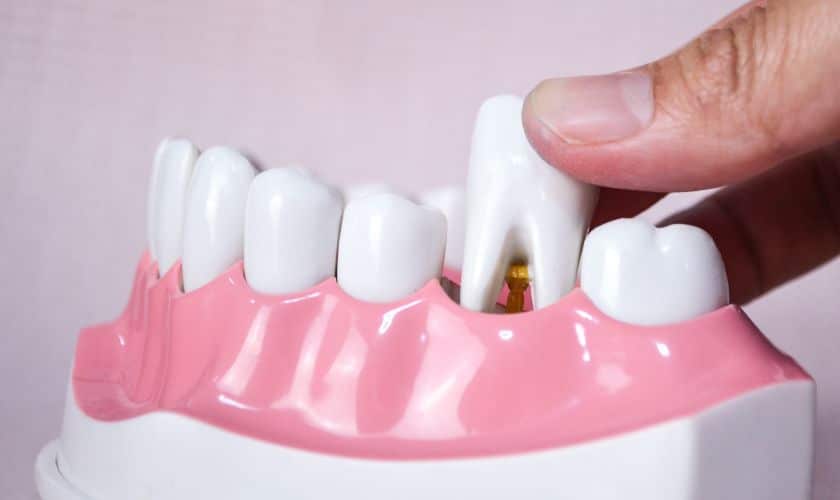
Dental emergencies can be both painful and stressful, and sometimes, an emergency tooth extraction becomes the only viable solution to alleviate immediate discomfort and prevent further complications. In this blog, we’ll explore what constitutes a dental emergency requiring tooth extraction, what to do when you find yourself in this critical situation, and how to ensure a safe and speedy resolution.
Identifying Dental Emergencies
Dental emergencies that necessitate tooth extraction can manifest in various ways. It’s crucial to recognize the signs and symptoms, such as severe pain, swelling, or trauma, that indicate the need for immediate attention. We’ll provide an overview of common dental emergencies that may lead to an emergency tooth extraction.
Don’t Delay – Seek Professional Help
Time is of the essence when facing a dental emergency. Delaying treatment can exacerbate the issue and cause further complications. We’ll discuss the importance of contacting a dentist or oral surgeon as soon as you suspect a dental emergency, and provide tips on how to find immediate care, especially during off-hours.
Home Care and Pain Management
While waiting for professional assistance, there are steps you can take at home to manage pain and reduce the risk of infection. We’ll offer guidance on how to clean the affected area, control bleeding, and use over-the-counter pain relievers responsibly.
The Role of X-Rays and Diagnosis
To determine the necessity of an emergency tooth extraction, X-rays are often required. We’ll explain how dental professionals use these images to assess the extent of the issue and make informed decisions regarding the extraction process.
The Tooth Extraction Procedure
This section will cover what you can expect during the emergency tooth extraction procedure. We’ll discuss the use of local anesthesia, the extraction process itself, and post-extraction care.
Recovery and Aftercare
The blog will provide post-extraction care instructions to ensure a smooth and speedy recovery. Tips on managing discomfort, preventing infection, and maintaining oral hygiene during the healing process will be outlined.
Long-Term Solutions
In some cases, an emergency tooth extraction is just the first step in restoring your oral health. We’ll explore the various options available to replace the extracted tooth, such as dental implants, bridges, or dentures.
Prevention and Preparedness
The best way to handle a dental emergency is to prevent it in the first place. We’ll discuss proactive steps you can take to reduce the risk of dental emergencies and be prepared if one occurs.
Conclusion
An emergency tooth extraction is a critical procedure that requires swift and professional attention. By understanding the signs of a dental emergency, seeking immediate care, and following proper aftercare, you can navigate this challenging situation with confidence. Remember that your oral health is essential, and taking the right steps during a dental emergency can help ensure a quicker recovery and minimize long-term complications.