
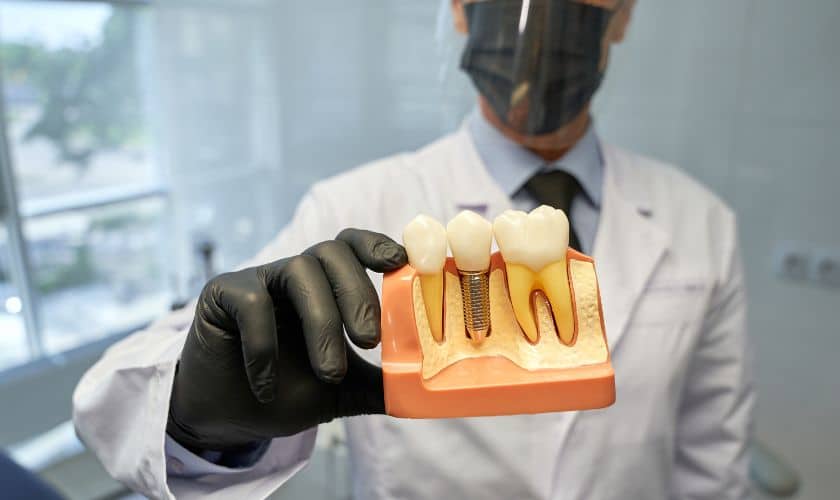
Dental implants have revolutionized tooth replacement, offering a durable and aesthetically pleasing solution for missing teeth. But if you’re considering this investment in your oral health, a crucial question often arises: “How long do dental implants really last?” The good news is that with proper care, dental implants can provide a lifetime of confident smiles. However, it’s essential to understand the nuances and factors that influence their longevity.
The Long-Term Promise: Implants vs. Restorations
When we talk about the lifespan of a dental implant, it’s important to distinguish between the implant itself and the prosthetic tooth (crown, bridge, or denture) that attaches to it.
- The Dental Implant (Fixture): The implant is a small, screw-shaped post, typically made of titanium, that is surgically placed into your jawbone. This component is designed to fuse with your bone through a process called osseointegration, creating a stable and permanent foundation. With diligent oral hygiene and regular dental check-ups, the dental implant itself can indeed last a lifetime. Studies show a success rate of 90-95% over 10 years, and many implants function perfectly for 20 years or more.
- The Prosthetic Restoration (Crown, Bridge, or Denture): The visible part of your new tooth – the crown, bridge, or denture – is attached to the implant via an abutment. While incredibly strong, these restorations are subjected to daily wear and tear from chewing. Consequently, they may need replacement at some point.
- Crowns and bridges typically last around 10-15 years, though some can last longer.
- Dentures supported by implants generally have a lifespan of 7-15 years. Replacing the restoration is a far less invasive and costly procedure than replacing the implant itself.
Key Factors Influencing Implant Longevity
While implants are built to last, several factors can significantly impact their lifespan. Understanding these can empower you to maximize the durability of your dental investment.
1. Oral Hygiene and Maintenance
This is arguably the most critical factor. Just like natural teeth, dental implants require meticulous daily care and maintenance.
- Brushing: Brush your implants gently twice a day using a soft-bristled toothbrush and non-abrasive toothpaste.
- Flossing: Floss daily, paying close attention to the area around the implant to remove food particles and plaque. Interdental brushes or water flossers can be particularly effective in removing plaque.
- Regular Dental Check-ups: Visiting your dentist and hygienist every six months is crucial. They can monitor your implant’s health, detect any issues early (like peri-implantitis or inflammation around the implant), and perform professional cleanings to prevent plaque buildup.
2. Overall Health and Lifestyle Choices
Your general health plays a significant role in the success and longevity of dental implants.
- Smoking: Smoking is a major risk factor for implant failure. It impairs blood flow, delays healing, and increases the risk of peri-implantitis. Quitting smoking before and after implant surgery is strongly recommended.
- Medical Conditions: Certain systemic conditions, such as uncontrolled diabetes or autoimmune disorders, can affect bone healing and overall implant success. It’s vital to inform your dentist about any health conditions and medications you are taking.
- Bruxism (Teeth Grinding): Chronic teeth grinding or clenching can place excessive force on implants, potentially leading to damage or loosening of the implants. Your dentist may recommend a night guard to protect your implants if you clench or grind.
- Diet: While implants allow you to enjoy almost any food, it’s wise to avoid excessively hard or sticky foods that could put undue stress on the restorations.
3. Bone Density and Quality
The success of an implant hinges on its ability to integrate with a healthy, dense jawbone.
- Adequate Bone: If there isn’t sufficient bone, a bone grafting procedure may be necessary before implant placement to create a stable foundation.
- Bone Health Over Time: Conditions like osteoporosis or severe gum disease can lead to bone loss, which can eventually affect implant stability.
4. Skill of the Dental Professional
The experience and precision of the dentist or oral surgeon placing the implant are paramount. Proper implant placement ensures optimal alignment and even distribution of biting forces, contributing significantly to long-term success. If you’re considering dental implants in Tullahoma, selecting an experienced practitioner is crucial for achieving a lasting outcome.
Protecting Your Investment: Tips for Longevity
To ensure your dental implants last as long as possible:
- Maintain impeccable oral hygiene.
- Attend all scheduled dental check-ups and cleanings.
- Avoid smoking and limit alcohol consumption.
- Manage any underlying health conditions effectively.
- Address teeth grinding or clenching with a night guard if needed.
- Be mindful of extremely hard or sticky foods.
By understanding these factors and committing to excellent oral care, you can confidently look forward to many decades – and potentially a lifetime – of functional and beautiful dental implants. They are truly an investment in your long-term oral health and overall well-being. If you have further questions or wish to explore your options, we invite you to visit our dental office. Don’t hesitate to book an appointment to discuss how dental implants can transform your smile.