
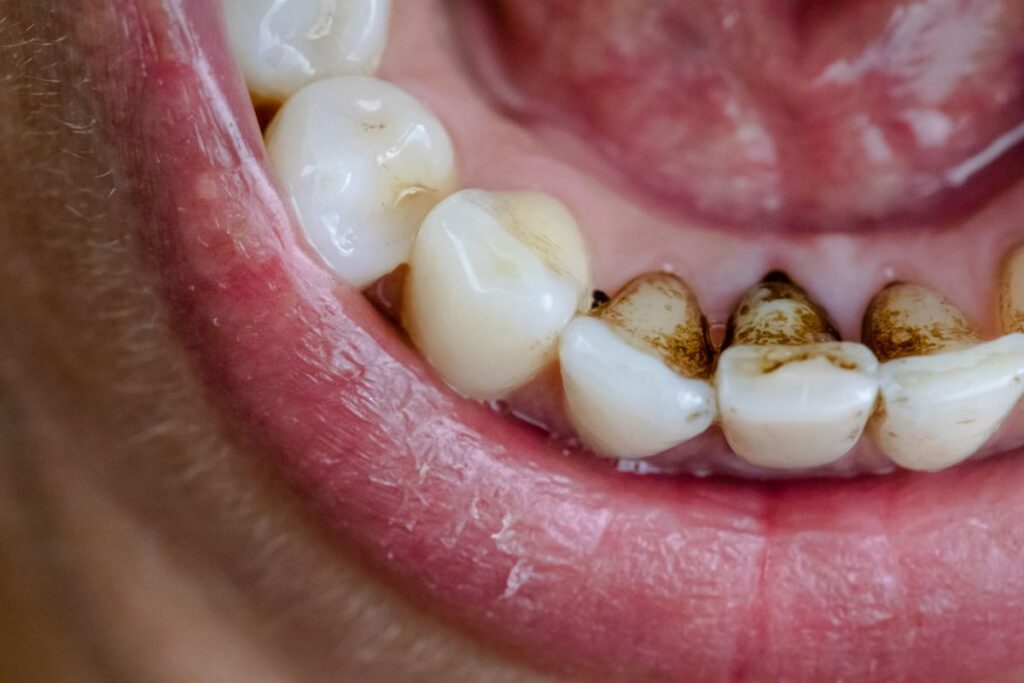
A bright, confident smile is one of your best assets. It lights up a room, boosts your self-esteem, and leaves a lasting impression on everyone you meet here in the Middle Tennessee area. But what happens when you catch a glimpse of yourself in the mirror and notice stubborn, unsightly brown spots or discoloration on your teeth?
If you are dealing with surface discoloration, you are not alone. Many residents from Tullahoma, Manchester, and Shelbyville come to us asking how to restore their pearly whites. It is completely natural to look for DIY or at-home solutions first.
What Causes Brown Stains on Teeth?
Before diving into natural treatments, it helps to understand exactly what you are fighting. Teeth stains generally fall into two main categories:
- Extrinsic Stains: These surface-level stains form on the outer layer of your tooth (the enamel). They are usually caused by lifestyle factors, such as drinking dark liquids (like coffee, sweet tea, cola, or red wine), using tobacco products, or eating deeply pigmented foods.
- Intrinsic Stains: These stains originate inside the tooth structure itself. They can be caused by certain medications, trauma to the tooth, excessive fluoride intake during childhood, or naturally thinning enamel that reveals the dark, yellowish dentin underneath.
Natural, at-home methods only work on extrinsic surface stains. Intrinsic discoloration requires professional treatment from a qualified dentist.
5 Safe and Effective Natural Ways to Remove Brown Stains
If you want to combat superficial surface stains using gentle, natural methods, these lifestyle adjustments and home remedies can help brighten your smile over time without jeopardizing your oral wellness.
1. Master the Art of Oil Pulling
Oil pulling is an ancient Ayurvedic practice that has gained massive popularity across the United States in recent years. It involves swishing a tablespoon of high-quality, organic oil, usually unrefined coconut oil, around in your mouth for 15 to 20 minutes before spitting it out.
- How it works: Coconut oil contains lauric acid, a fatty acid known for its powerful antimicrobial and anti-inflammatory properties. Swishing the oil helps lift surface bacteria, plaque, and food debris that accumulate and cause brown discoloration.
- How to do it safely: Do not swallow the oil, as it is full of pulled toxins and bacteria. Spit it directly into a trash can (to keep it from clogging your plumbing) and rinse your mouth thoroughly with warm water before brushing.
2. Boost Your Intake of Crunchy Fruits and Vegetables
Your diet plays a massive role in the shade of your teeth. Incorporating raw, crunchy fruits and vegetables into your meals acts as nature’s toothbrush.
- The Top Contenders: Apples, celery, carrots, and cucumbers are excellent choices.
- How it works: The mechanical chewing action of these fiber-rich foods naturally scrubs away plaque and newly forming surface stains before they can set. Furthermore, crunchy produce stimulates saliva production. Saliva is your mouth’s natural defense mechanism, working continuously to wash away acids and remineralize your enamel.
3. Use a Paste Made of Baking Soda and Hydrogen Peroxide
Baking soda (sodium bicarbonate) is a household staple that features natural whitening properties. Because it is a mild abrasive, it can gently scrub away surface stains without scratching your enamel—if used correctly.
- How it works: Combining baking soda with a tiny splash of low-concentration (1% to 3%) hydrogen peroxide creates a paste that breaks up stain molecules through oxidation.
- How to do it safely: Mix a small amount of baking soda with a few drops of hydrogen peroxide until it forms a smooth paste. Brush your teeth gently with it for no more than two minutes, then rinse thoroughly. Limit this remedy to once or twice a week max. Overusing abrasives can wear down your enamel, making your teeth more susceptible to future staining and deep sensitivity.
4. Practice Strategic Straw Usage and Water Rinsing
You do not necessarily have to completely sacrifice your morning cup of coffee or your favorite Southern sweet tea to keep your teeth white. Small behavioral changes go a long way.
- How it works: Drinking dark beverages through a straw bypasses your front teeth entirely, minimizing direct contact with your enamel.
- The Quick Rinse: If a straw isn’t an option, get into the habit of vigorously rinsing your mouth with plain water immediately after finishing a stain-causing food or beverage. This prevents pigments from settling on your teeth.
5. Prioritize Impeccable Daily Oral Hygiene
The most effective “natural” remedy of all is consistency. Preventing plaque buildup is the single best way to ensure surface stains cannot stick to your teeth.
- The Formula: Brush your teeth for a full two minutes twice a day using a soft-bristled toothbrush. Floss at least once daily to clean the tight spaces between your teeth where dark brown tartar and stains love to hide.
Natural Home Remedies to Avoid
When looking up DIY whitening tips online, you will likely encounter several highly trending methods that can actually cause severe, irreversible damage to your teeth. To protect your oral health, avoid the following:
- Lemon or Apple Cider Vinegar Rinses: While fruit acids can technically lift stains, they do so by aggressively eroding your protective tooth enamel. Once enamel is eroded, it never grows back, leaving your teeth highly sensitive, weak, and yellow.
- Activated Charcoal Powders: Charcoal is highly abrasive. While it might give you a temporary whitening boost by stripping away surface buildup, it quickly wears down your enamel, exposing the darker dentin layer underneath and permanently darkening your overall smile.
Why You Need Professional Care for Deep Brown Stains
While natural remedies can help maintain your brightness, they have limitations. Plaque that sits on your teeth eventually hardens into a mineralized substance called tartar (calculus). Once tartar forms, it turns a dark yellow or brown color and cannot be brushed away at home, no matter how hard you scrub.
Attempting to scrape away tartar or deep stains by yourself can ruin your gums and scratch your enamel. The only safe way to eliminate stubborn calculus and deep stains is through a professional dental cleaning.
When you prioritize regular dental care, a professional dental hygienist uses specialized, gentle sonic instruments to safely scale away hard buildup, followed by a professional-grade polishing treatment that leaves your teeth smooth, clean, and noticeably brighter.
Ready to Reclaim Your Brightest Smile? Book Your Visit Today!
If you are tired of hiding your smile or dealing with stubborn brown spots that just won’t go away with home remedies, the team at Glick & Woods Dentistry is here to help. Serving our beloved Tullahoma, TN community since 1985, our newly renovated, high-tech private practice focuses on building genuine, long-term relationships with our patients. We don’t rush through your appointments; we take our time to listen to your goals and craft personalized treatment plans that keep your smile healthy and radiant.
Whether you need a routine preventative cleaning to wash away stubborn surface stains or are interested in our professional cosmetic dentistry options, we invite you to experience compassionate, top-tier care.
Ready to transform your smile? Visit our dental office at 208 North Washington Street, or call our friendly local team at (931) 455-3917 or book an appointment today!
Frequently Asked Questions
1. Can baking soda damage my teeth?
If used occasionally (once or twice a week) and with a very light touch, baking soda is safe. However, brushing with it aggressively or using it daily can gradually wear down your enamel, exposing the yellow dentin underneath and causing severe tooth sensitivity.
2. How long does it take for natural remedies to remove stains?
Natural methods require patience and consistency. You may begin to notice a subtle difference in surface brightness after 2 to 4 weeks of regular oil pulling or dietary changes. For instance, dramatic results require professional whitening treatments.
3. Why won’t my brown stains budge with home remedies?
If your brown spots do not improve with brushing or natural remedies, you are likely dealing with hardened tartar, a deep cavity, or an intrinsic stain inside the tooth. These conditions cannot be treated at home and require an evaluation from a licensed dentist.
4. How often should I get a professional teeth cleaning?
For optimal health and stain prevention, we recommend scheduling a professional cleaning and exam at least once every six months.