
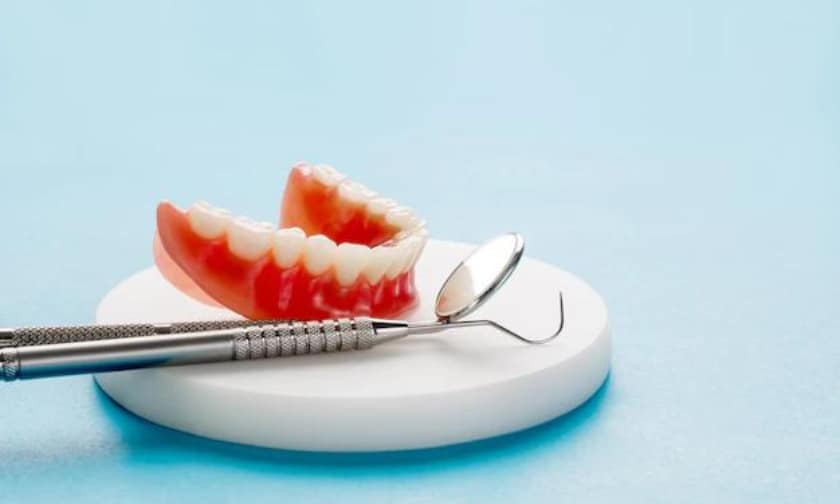
Navigating daily life with dentures can be a game-changer for many, but what happens when they break? A sudden crack or a lost tooth can be distressing, leaving you wondering about the best course of action. This blog post aims to be your go-to guide for understanding and, in some cases, even repairing broken dentures, all while emphasizing when professional help is essential.
How to Repair Broken Dentures: Your Comprehensive Guide
Dentures are an investment in your oral health and quality of life. When they suffer damage, it’s natural to seek a quick fix. However, understanding the type of damage and the potential risks of DIY repairs is crucial.
Understanding Denture Damage: Not All Breaks Are Equal
Denture damage can range from minor chips to complete fractures. Common issues include:
- Cracks in the Denture Base: These can be hairline fractures or more significant breaks, often occurring from accidental drops or biting on something hard.
- Broken or Lost Teeth: Individual denture teeth can detach or chip, impacting both aesthetics and function.
- Bending or Warping: Heat exposure or improper storage can lead to the denture changing shape, affecting its fit.
- Worn-Down Teeth: Over time, the artificial teeth can wear down, reducing chewing efficiency.
Immediate Steps: What to Do When Your Denture Breaks
The moment you notice damage to your denture, follow these steps:
- Remove the Denture Carefully: If possible, remove the denture from your mouth to prevent further damage or accidental swallowing of small pieces.
- Inspect the Damage: Assess the extent of the break. Is it a clean break, or are there multiple fragments? Has a tooth come loose?
- Collect All Pieces: Gather any broken pieces, no matter how small. These might be useful for your dentist during the repair process.
- Store Safely: Place the broken denture and any fragments in a secure, clean container.
The DIY Dilemma: When is it Okay (and When is it NOT)?
The internet is rife with advice on DIY denture repairs, but exercising extreme caution is paramount. For complex issues requiring professional expertise, such as those that a skilled restorative dentist in Tullahoma would handle, DIY approaches are not recommended.
When a DIY “Fix” Might Be Considered (with Strict Warnings):
For very minor issues, like a tiny chip that doesn’t affect the fit or function, some might consider using a denture repair kit designed for temporary emergencies. These kits typically contain a small amount of acrylic resin.
Crucial Warnings for DIY:
- Temporary Solution ONLY: Any DIY repair should be viewed as a very temporary measure to get you through a day or two until you can see a dentist.
- Risk of Further Damage: Improperly applied glues or resins can weaken the denture further, making a professional repair more difficult or even impossible.
- Impact on Fit and Comfort: A DIY repair can alter the precise fit of your denture, leading to discomfort, sore spots, and even gum irritation.
- Hygiene Issues: Non-dental adhesives can harbor bacteria and be difficult to clean, leading to oral health problems.
- Swallowing Hazards: Loose pieces from a failed DIY repair can be accidentally swallowed or aspirated.
When Professional Intervention is ABSOLUTELY Necessary:
For almost all types of denture damage, seeking professional help from a dentist or a prosthodontist is the safest and most effective course of action. This includes:
- Major Fractures: If the denture base is cracked in half or has multiple breaks.
- Broken or Lost Teeth: While it might seem minor, reattaching a tooth requires precision to ensure proper bite and alignment.
- Warped or Bent Dentures: These cannot be fixed at home and require specialized techniques to reshape or, more likely, replace.
- Poor Fit: If your denture feels loose, causes pain, or constantly slips, it needs professional adjustment or relining.
- Any Damage Affecting Function or Comfort: If you can’t chew properly, or if the denture is causing any pain or irritation.
The Professional Repair Process: What to Expect
When you visit our dental office for a broken denture, we will:
- Assess the Damage: Your dentist will thoroughly examine the denture and your oral cavity to determine the best course of action.
- Discuss Options: Depending on the severity and type of damage, they may suggest:
- Direct Repair: For simple breaks, the dentist might be able to repair the denture in their office using dental acrylics.
- Laboratory Repair: More complex repairs often require sending the denture to a dental laboratory for specialized equipment and materials.
- Reline or Rebase: If the fit is compromised due to changes in your gums, a reline (adding new acrylic to the fitting surface) or rebase (replacing the entire denture base) might be necessary.
- New Denture: In cases of severe or irreparable damage, or if the denture is very old and worn, a new denture might be recommended.
- Provide Aftercare Instructions: Once repaired, your dentist will provide instructions on how to care for your denture to prevent future damage.
Preventing Future Denture Damage: Best Practices
Prevention is always better than a cure. Here are some tips to prolong the life of your dentures:
- Handle with Care: Always remove and insert dentures over a soft towel or a basin of water to cushion them in case of a drop.
- Clean Daily: Use a soft-bristled denture brush and a non-abrasive denture cleanser. Avoid regular toothpaste, which can be too abrasive.
- Store Properly: When not in use, keep your dentures moist in a denture cleaning solution or plain water to prevent warping. Never use hot water.
- Regular Dental Check-ups: Visit your dentist regularly for check-ups. They can identify potential issues early and ensure your dentures fit well.
- Avoid Hard Foods: Be mindful of extremely hard or sticky foods that can put undue stress on your dentures.
In conclusion, while the urge to quickly fix a broken denture at home can be strong, the long-term health and functionality of your dentures, and indeed your oral health, are best served by professional attention. If you’re seeking expert care for your dentures, don’t hesitate to book an appointment. Your smile will thank you for it.