
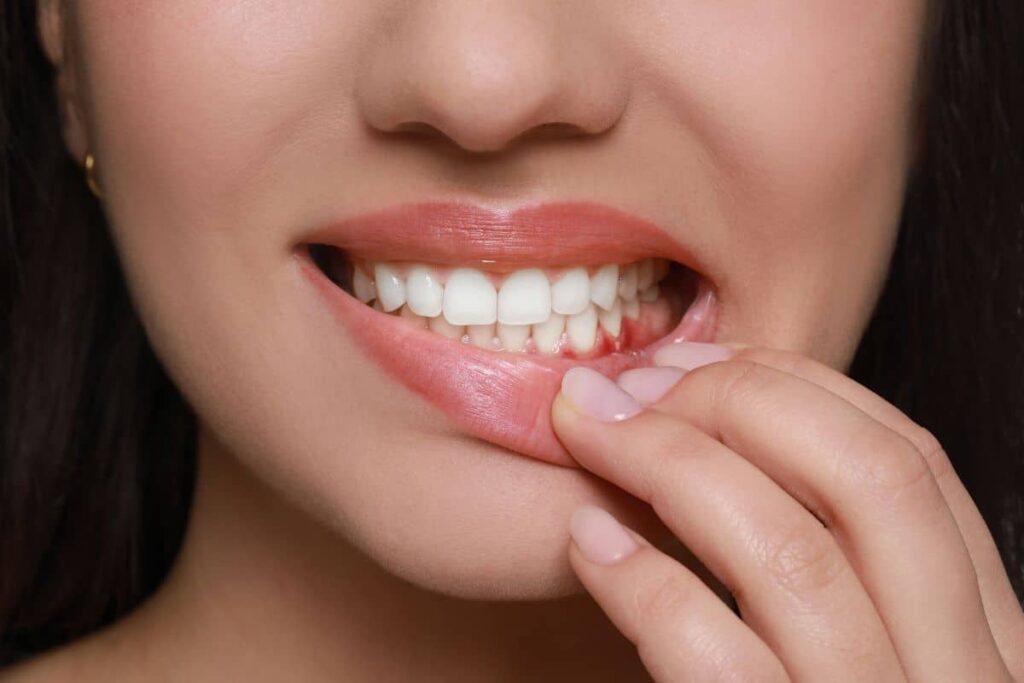
A throbbing toothache, swelling, and sensitivity can be tell-tale signs of a tooth infection, also known as a dental abscess. When discomfort strikes, it’s natural to seek immediate relief. Many people wonder if home remedies can effectively treat a tooth infection. The unequivocal answer is no. While some home remedies can offer temporary symptom relief, they cannot cure a tooth infection. This blog will delve into why professional dental care is crucial for tooth infections and the serious dangers of attempting to treat them at home.
The Alarming Truth About Tooth Infections
A tooth infection is a serious condition where bacteria invade a tooth’s pulp (the innermost part), leading to a pocket of pus. This infection doesn’t resolve independently; it will likely worsen over time if left untreated. The pain might temporarily subside if the pulp dies, but the bacteria will continue to spread, causing further damage.
Why Home Remedies Fall Short
Various home remedies, such as saltwater rinses, garlic, clove oil, and even essential oils, are often touted for toothaches. While some of these might offer minor, temporary relief from pain or help with inflammation, they cannot eliminate the bacterial infection at its source.
- Saltwater Rinses: A warm saltwater rinse can help cleanse the area and reduce some bacteria, offering a soothing effect and aiding in drainage if an abscess is present. However, it won’t penetrate the tooth to kill the infection.
- Pain Relievers: Over-the-counter pain relievers like ibuprofen or acetaminophen can manage the pain and reduce swelling, but they do nothing to address the underlying bacterial cause.
- Natural Antibiotics (Garlic, Clove Oil, etc.): While some natural ingredients possess antimicrobial properties, their effectiveness against a deep-seated dental infection is limited compared to prescription antibiotics. They cannot eliminate the infection.
- Cold Compress: Applying a cold compress to the outside of your cheek can help reduce swelling and numb the area, providing temporary comfort. Again, this doesn’t treat the infection itself.
It’s crucial to understand that these home remedies are merely palliative. They make you feel better for a short while, potentially masking the worsening of the infection, which can have dire consequences.
The Grave Dangers of Untreated Tooth Infections
Ignoring a tooth infection or attempting to treat it solely at home carries significant risks. A dental abscess can lead to a cascade of serious health problems, some of which can be life-threatening.
- Spread of Infection: The most significant danger is the spread of the infection. Bacteria from the tooth can travel to the surrounding bone, the jaw, neck, face, and even further into the body.
- Sepsis: If the bacteria enter the bloodstream, it can lead to sepsis, a life-threatening systemic infection that can cause organ failure and shock.
- Bone Infection (Osteomyelitis): The infection can spread to the jawbone, leading to osteomyelitis, a severe bone and bone marrow inflammation.
- Cellulitis: This is a bacterial skin infection that can spread rapidly, causing redness, swelling, and pain. Facial cellulitis from a dental infection can be very dangerous.
- Cavernous Sinus Thrombosis: In rare but severe cases, the infection can spread to the cavernous sinus, a large vein located at the base of the brain, leading to a life-threatening blood clot.
- Brain Abscess: While uncommon, a tooth infection can potentially spread to the brain, forming a brain abscess, which is a medical emergency.
- Tooth Loss: An untreated infection will likely lead to the loss of the affected tooth and potentially adjacent teeth.
- Difficulty Breathing or Swallowing: If the swelling from the infection spreads to the neck or throat, it can obstruct airways, making breathing and swallowing difficult. This requires immediate emergency medical attention.
When to See a Dentist (Immediately!)
Do not delay seeking professional dental care if you suspect a tooth infection. Look out for symptoms such as:
- Persistent, severe, throbbing toothache
- Sensitivity to hot or cold temperatures
- Pain when chewing or biting
- Swelling in your gums, face, or neck
- A foul taste in your mouth or bad breath
- Fever
- Swollen lymph nodes under your jaw or in your neck
If you experience any of these symptoms, especially fever, facial swelling, or difficulty breathing/swallowing, immediately contact an emergency dentist in Tullahoma. The sooner an infection is treated, the better the chances of a successful outcome and of preventing severe complications.
Professional Treatment is Key
A dentist will accurately diagnose the infection and provide the appropriate treatment, which may include:
- Drainage of the Abscess: Making a small incision to drain the pus.
- Root Canal Treatment: To remove the infected pulp and save the tooth.
- Tooth Extraction: If the tooth is too damaged to be saved.
- Antibiotics: To help eliminate the bacterial infection, they are often prescribed in conjunction with a dental procedure.
While home remedies can offer temporary comfort, they are not a substitute for professional dental care. A tooth infection is a serious condition that requires prompt and effective treatment to protect your oral health and overall well-being. Don’t gamble with your health; visit our dental office at the first sign of an infection. You can book an appointment easily online or by calling us directly.