
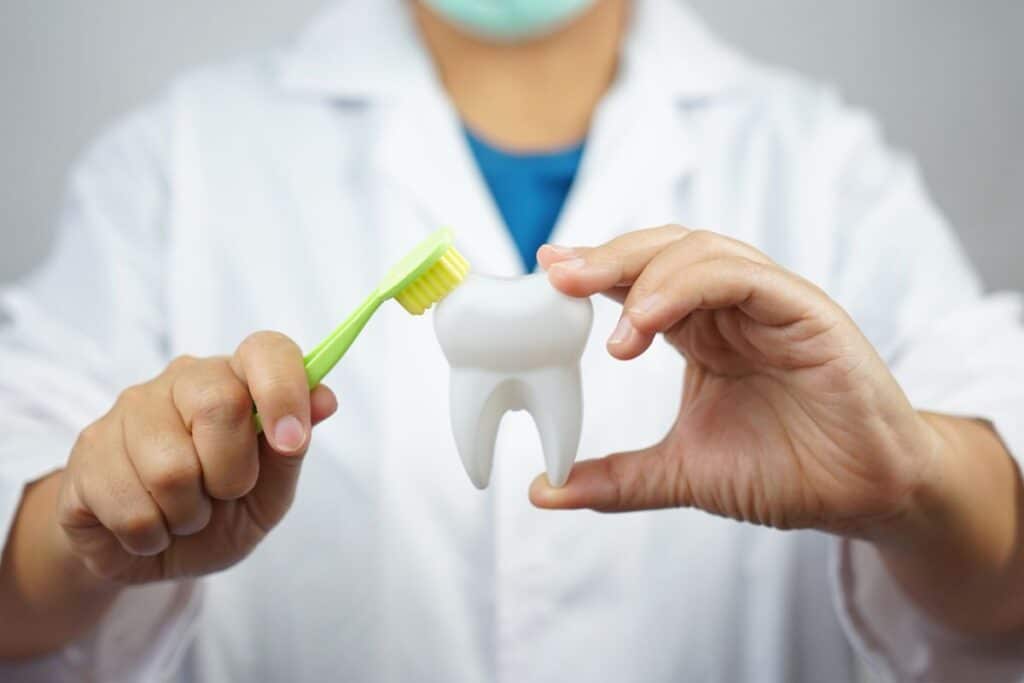
We often see a visit to the dentist as a low priority, something we can put off until a toothache becomes unbearable. After all, what’s the harm in a little plaque and a cavity or two? The truth is, neglecting your oral health is far more dangerous than you might imagine. It’s not just about a bright smile; it’s about a complex link between your mouth and your overall well-being. This blog post will delve into the hidden dangers of poor oral hygiene, revealing how it can affect everything from your heart to your brain.
Beyond the Smile: The Oral-Systemic Connection
Your mouth is the gateway to your body, a bustling ecosystem of bacteria. While many of these are harmless, poor oral hygiene allows harmful bacteria to thrive. When plaque and tartar build up, these bacteria can cause gum disease, a chronic inflammatory condition. This inflammation isn’t confined to your gums; it can trigger a systemic inflammatory response throughout your body. Think of it as a domino effect: the initial problem in your mouth sets off a chain reaction with serious consequences for your entire system.
The Heart of the Matter: Oral Health and Cardiovascular Disease
Perhaps one of the most surprising and well-documented connections is between gum disease and heart health. The harmful bacteria from your mouth can enter your bloodstream, traveling to the arteries and contributing to inflammation. This can lead to the formation of arterial plaque, a key factor in atherosclerosis—the hardening and narrowing of arteries. This condition increases your risk of heart attacks and strokes. In fact, studies have shown that people with severe gum disease are at a significantly higher risk of developing cardiovascular disease than those with healthy gums. Brushing and flossing aren’t just for a clean mouth; they’re an essential part of a heart-healthy lifestyle.
A Silent Culprit: The Link to Respiratory and Cognitive Health
The dangers don’t stop there. Bacteria from an infected mouth can be inhaled into the lungs, leading to respiratory infections such as pneumonia. This risk is particularly high for the elderly or those with compromised immune systems. Beyond the lungs, recent research has also explored a potential link between gum disease and cognitive decline. While more studies are needed, some researchers believe that the inflammation associated with chronic gum disease may contribute to brain inflammation, a factor in conditions like Alzheimer’s disease.
The Diabetes and Oral Health Vicious Cycle
The relationship between diabetes and oral health is a two-way street. People with diabetes are more susceptible to gum disease because high blood sugar levels can weaken the immune system and impair circulation, making it harder for the body to fight infection. On the flip side, severe gum disease can make it more difficult to control blood sugar levels. The inflammation from gum disease can increase insulin resistance, making it harder for your body to use insulin effectively. This creates a vicious cycle where poor oral health worsens diabetes, and uncontrolled diabetes worsens gum disease. If you’re looking for an expert Tullahoma dentist, it’s always worth the investment to see a professional. Regular dental check-ups are therefore crucial for anyone managing this chronic condition.
The Cost of Neglect: Financial and Mental Toll
The physical health consequences are reason enough to prioritize oral hygiene, but neglecting your mouth also has significant financial and mental repercussions. A simple filling today could prevent a root canal or extraction tomorrow, which are far more expensive procedures. The cost of a lifetime of neglect—including dentures, bridges, or implants—can be staggering. Beyond the financial strain, poor oral health can take a toll on your mental well-being. Chronic pain from toothaches, self-consciousness about bad breath or missing teeth, and the embarrassment of a less-than-perfect smile can affect your confidence and social interactions.
Taking Control: Simple Steps for a Healthier You
The good news is that the solution is straightforward. The best defense is a proactive offense. Brush twice a day with fluoride toothpaste and floss once a day, which are non-negotiable parts of your routine. This simple habit can remove plaque and prevent gum disease before it starts. Regular dental check-ups are just as vital. A professional cleaning can remove the stubborn tartar that regular brushing can’t, and your dentist can spot early signs of problems before they escalate. Don’t wait for pain to be your motivation. If you want to take control of your oral health, visit our dental office. It’s the best way to catch minor issues before they become major problems. Ready to prioritize your well-being? Book an appointment today and start your journey toward a healthier you.