
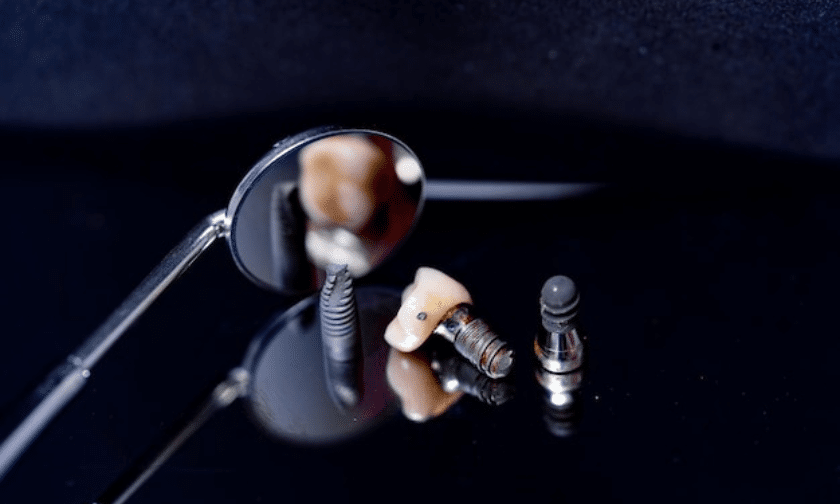
An excellent solution for missing natural teeth is dental implants. They can replace a missing tooth and can appear, feel, fit, and perform like a natural tooth, thanks to their strength and stability. With more than 50k implant dentistry cases being placed annually in the United States, this technique has grown immensely popular as a dental reconstruction option.
Types Of Dental Implants
Dental implants come in a variety of varieties, as do the procedures. Endosteal and subperiosteal dental implants are the two most popular varieties. The primary difference between them is how they connect to your jawbone.
Endosteal Implants
The most typical kind of dental implant is this one. It has a small screw, cylinder, or blade-like form. It is inserted into your jawbone and holds one or more prosthetic teeth, also known as replacement teeth. Your doctor might advise an endosteal implant if you currently wear dentures or bridges.
Subperiosteal Implants
This type of implant is done or placed above your jawbone. It is held in place by a metal post inserted under your gum and extending through it. If you are unable to wear conventional dentures, don’t have enough natural jawbone to support an endosteal implant, or don’t want to undergo bone augmentation, you may need to consider a subperiosteal implant.
Complementary Procedures That You Might Require With Implant Dentistry
Depending on the condition of your jawbone, the number of missing teeth, and any other unique requirements, your doctor will determine whether an endosteal implant or a subperiosteal implant is the best option for you. Your doctor might also suggest complementary procedures to help support your dental implants. These procedures include:
Bone Augmentation
Your jaw may not be able to support dental implants if it doesn’t have normal & healthy bone. In order to rebuild or regenerate the bone so that it can sustain implants, your doctor could advise bone augmentation. Growth factors and bone supplements may be involved in this case.
Sinus Lift
Your upper back jaw is one of the most challenging areas to install dental implants. That’s because it’s close to your sinus, and you could not have enough bone there, either in terms of quantity or quality. Your doctor can fix this by using a sinus lift, also known as sinus augmentation or elevation. Your sinus floor is raised in order to make room for more bone that can support dental implants.
Ridge Expansion
If your jaw is too narrow to support implants, your dentist could suggest ridge modification or enlargement. This involves filling a small area along the top of your jaw, sometimes called a ridge, with bone graft material. Your doctor might suggest ridge modification if your upper or lower jaw is malformed. It might enhance both the appearance of your jaw and your chances of getting a successful implant.
Affordable Implant Dentistry In Tullahoma
Now that you know about dental implants and the procedures involved, you may want to know which option is best and which will fit your needs. The answer is that before you make a decision, you must consult with an implant dentist, as he is the right person to help you determine the best choice for you.
If you want reliable, professional help regarding your dental implant somewhere near Tullahoma, book an appointment with Glick & Woods Dentistry. We have been the most trusted dental care provider in Tullahoma for over a decade.