
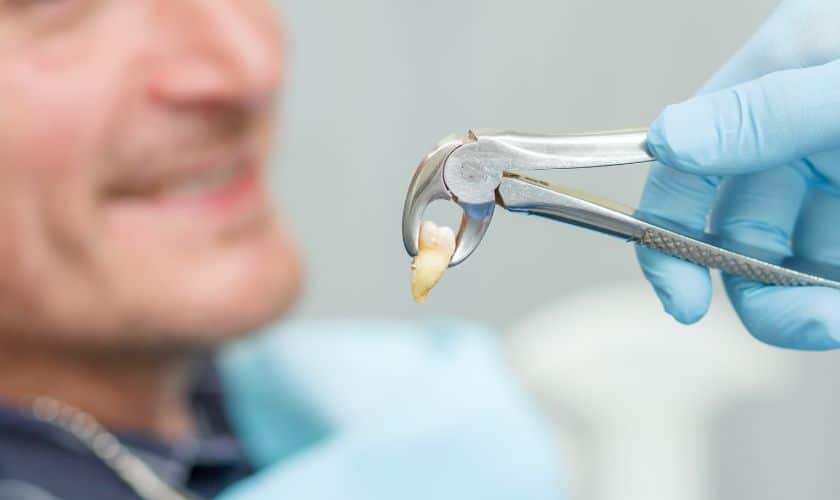
At Glick & Woods Dentistry, patient comfort and education are always a priority. If you’ve been advised to remove your wisdom teeth, knowing what to expect can make a big difference in your overall experience.
Why Wisdom Teeth Extraction Is Necessary
- Impacted teeth that don’t fully erupt
- Crowding that affects the surrounding teeth
- Infection or gum inflammation
- Tooth decay in hard-to-reach areas
- Cysts or damage to nearby bone
When left untreated, problematic wisdom teeth can lead to more serious oral health concerns. That’s why early evaluation and proper dental care are essential.
Signs You May Need Wisdom Teeth Removal
- Persistent pain in the back of the mouth
- Swelling or tenderness in the gums
- Difficulty opening your mouth
- Jaw stiffness or discomfort
- Bad breath or an unpleasant taste
If you notice any of these symptoms, it’s a good idea to visit our dental office for a professional evaluation. Early detection can prevent complications and make the procedure more straightforward.
What to Expect Before the Procedure
- Your medical history
- Any medications you’re currently taking
- Anesthesia options (local, sedation, or general anesthesia)
Preparation instructions may include avoiding food and drinks for several hours before surgery, especially if sedation is planned. Following these guidelines ensures your safety and helps the procedure go smoothly.
The Wisdom Teeth Extraction Procedure
- Anesthesia is administered to ensure comfort throughout the procedure.
- The dentist or oral surgeon makes a small incision in the gum if the tooth is impacted.
- The tooth may be divided into smaller sections for easier removal.
- The area is cleaned, and stitches may be placed if necessary.
Most patients feel little to no pain during the procedure, thanks to modern techniques and sedation options.
After the Procedure: What Recovery Looks Like
- Mild swelling
- Slight bleeding
- Jaw stiffness
- Temporary discomfort
Your dentist will provide detailed aftercare instructions to support healing and minimize complications.
Tips for a Smooth Recovery
- Rest for at least 24–48 hours after the procedure
- Use ice packs to reduce swelling
- Stick to soft foods like yogurt, mashed potatoes, and smoothies
- Avoid using straws, as suction can disrupt healing
- Keep the extraction site clean but avoid vigorous rinsing
Following these steps carefully ensures that your dental care routine supports a quick and comfortable recovery.
Foods to Eat After Wisdom Teeth Removal
- Applesauce
- Scrambled eggs
- Soup (lukewarm, not hot)
- Smoothies (without a straw)
- Oatmeal
Gradually reintroduce solid foods as your comfort level improves.
Potential Complications to Watch For
- Dry socket (a painful condition when the blood clot is dislodged)
- Infection
- Prolonged swelling or bleeding
- Numbness that doesn’t go away
If you notice unusual symptoms, don’t hesitate to visit our dental office for prompt care.
How to Prepare for Wisdom Teeth Extraction
- Arrange for someone to drive you home after the procedure
- Stock up on soft foods ahead of time
- Take time off work or school to rest
- Follow all pre-procedure instructions carefully
Being prepared allows you to focus on recovery without unnecessary stress.
Long-Term Benefits of Wisdom Teeth Removal
- Reduced risk of infection and decay
- Improved alignment of surrounding teeth
- Relief from pain and discomfort
- Better overall oral health
Investing in preventive care now can help you avoid more complex dental issues in the future.
Why Choose Glick & Woods Dentistry?
We understand that every patient is unique, which is why we tailor treatment plans to meet your individual needs. From consultation to recovery, we’re here to support you every step of the way.
Schedule Your Appointment Today
Visit our dental office to learn more about your options and receive personalized care. Our team at Glick & Woods Dentistry is ready to help you achieve a healthier, pain-free smile. Call us today or book an appointment online.
FAQs
The procedure itself is not painful due to anesthesia. Some discomfort is normal during recovery, but it can be managed with prescribed or over-the-counter medications.
It’s best to rest for at least 24 hours. Many patients return to normal activities within 2–3 days, depending on how they feel.
Dry socket occurs when the blood clot at the extraction site is dislodged. Avoid using straws, smoking, and vigorous rinsing to reduce the risk.
You can gradually return to solid foods after a few days, once swelling and discomfort improve. Start with soft foods and progress slowly.
Not always. If your wisdom teeth are healthy, fully erupted, and properly aligned, removal may not be necessary. Your dentist will evaluate your specific situation.