
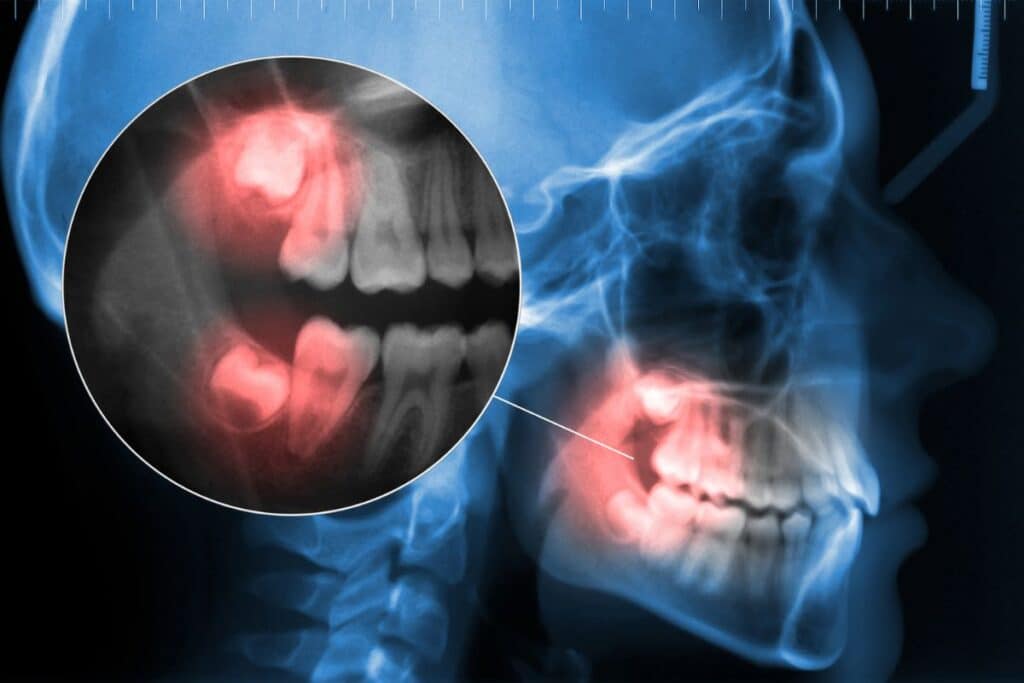
Wisdom teeth, or third molars, are the final set of molars most people develop in their late teens or early twenties. Often surrounded by mystery and sometimes dread, wisdom teeth have long been a topic of conversation when it comes to oral health. But what exactly are wisdom teeth, and why do so many people need to have them removed? Let’s dive into the essentials to help you understand these notorious molars and what you might need to know as they make their grand entrance.
What Are Wisdom Teeth?
The Late Bloomers of Your Mouth
Wisdom teeth typically emerge between the ages of 17 and 25, a time when one might be considered to have gained some “wisdom,” hence the name. These teeth are the last to erupt, located at the very back of your mouth, one in each corner. Most adults have four wisdom teeth, though some people may have fewer or none at all.
Why Do We Have Wisdom Teeth?
Historically, wisdom teeth served an essential function for our ancestors, who had a diet that required more chewing power. However, as human diets evolved and dental hygiene improved, the need for these extra molars diminished. Today, wisdom teeth are often more of a burden than a benefit, leading to various dental issues.
Signs That Your Wisdom Teeth May Be a Problem
Crowding and Misalignment
One of the most common issues with wisdom teeth is the lack of space in the mouth. As these molars attempt to erupt, they may push against existing teeth, leading to crowding and misalignment. This pressure can cause discomfort and even undo the results of previous orthodontic work.
Pain and Discomfort
Pain is often the first indicator that your wisdom teeth might be problematic. This discomfort can range from a dull ache to sharp pain, often felt in the back of the mouth. The pain can be constant or intermittent, but it’s a sign that something might be wrong.
Infection and Swelling
When wisdom teeth only partially emerge, they create an opening in the gums where bacteria can easily enter. This situation can lead to infections, which might present as swelling, redness, or even a bad taste in the mouth. In some cases, you might develop a condition known as pericoronitis, an infection of the tissue surrounding the partially erupted tooth.
Cysts and Tooth Decay
In rare cases, wisdom teeth can cause cysts to form around them. These cysts can damage the jawbone, teeth, and nerves if left untreated. Additionally, the location of wisdom teeth makes them harder to clean, increasing the risk of decay and gum disease.
When Should Wisdom Teeth Be Removed?
Proactive vs. Reactive Removal
Dentists often recommend the removal of wisdom teeth before they cause problems, especially if they’re likely to lead to complications. This proactive approach can prevent pain, infection, and damage to surrounding teeth. However, not all wisdom teeth need to be removed. If they are healthy, fully erupted, and properly aligned, your dentist may suggest monitoring them instead of immediate extraction.
Age Considerations
The ideal time for wisdom teeth removal is in your late teens or early twenties. At this age, the roots of the teeth are not fully developed, making extraction easier and recovery quicker. However, wisdom teeth can be removed at any age if they pose a risk to your oral health.
The Extraction Process: What to Expect
Consultation and Imaging
Before your dentist recommends extraction, they will likely take X-rays to assess the position of your wisdom teeth and their impact on surrounding teeth. Based on this assessment, your dentist will discuss the best course of action.
The Procedure
Wisdom teeth extraction is typically an outpatient procedure, often performed under local anesthesia, sedation, or general anesthesia, depending on the complexity of the extraction and patient preference. The dentist or oral surgeon will remove the teeth, usually making a small incision in the gum and removing any bone that obstructs the tooth. After the tooth is removed, the area is cleaned, and the incision is stitched closed.
Recovery Tips
Recovery from wisdom teeth extraction can take a few days to a week, depending on the complexity of the procedure. Here are some tips to ensure a smooth recovery:
- Rest and Elevate: Rest is crucial after surgery. Keep your head elevated to reduce swelling.
- Ice Packs: Apply ice packs to your face in the first 24 hours to minimize swelling.
- Soft Diet: Stick to soft foods like yogurt, applesauce, and soup during the initial days of recovery.
- Avoid Straws: Sucking through a straw can dislodge the blood clot, leading to a painful condition known as dry socket.
- Oral Hygiene: Gently rinse your mouth with warm salt water after 24 hours, but avoid brushing near the extraction site until your dentist advises.
When to Call Your Dentist
While most people recover from wisdom teeth extraction without issues, complications can occur. Contact your dentist if you experience any of the following:
- Severe pain that isn’t relieved by prescribed medication
- Persistent swelling or redness
- Fever or chills
- Difficulty swallowing or breathing
- Excessive bleeding or oozing
Conclusion: Wisdom Teeth—Keep or Remove?
Wisdom teeth are a common part of growing up, but they don’t always play nice with the rest of your mouth. Understanding the signs of trouble and knowing when to act can save you from future discomfort and protect your smile. Whether you’re considering wisdom teeth removal or just want to know more, it’s essential to consult with your dentist to determine the best approach for your oral health.
In Tullahoma, our team is here to help you navigate every stage of your dental journey, from wisdom teeth and beyond. Contact us today to schedule a consultation and ensure your smile stays healthy and pain-free!