
When it comes to protecting your teeth from cavities, brushing and flossing are key, but sometimes, they may not be enough. Dental sealants provide an extra layer of defense, especially for the grooves and crevices in the back teeth where cavities are most likely to form. In fact, according to the CDC, children without sealants have almost three times more cavities than those with sealants.
At our dental practice in Tullahoma, we are passionate about helping our patients maintain healthy smiles for life. Let’s dive into what dental sealants are and why they could be the perfect solution for protecting your teeth, especially in children and teens.
What Are Dental Sealants?
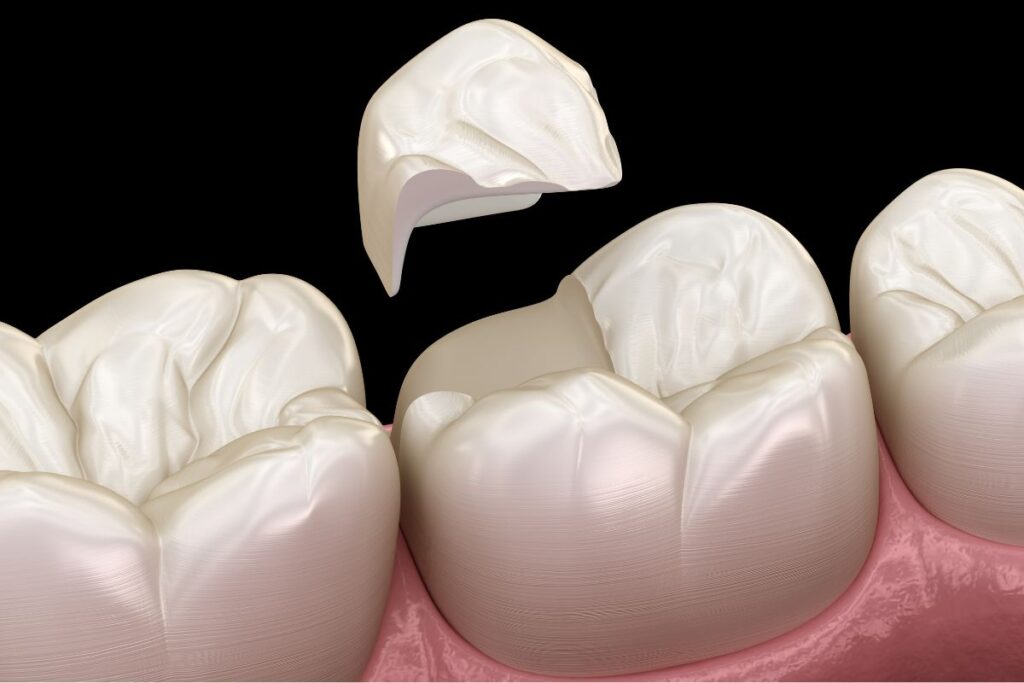
Dental sealants are thin, plastic coatings applied to the chewing surfaces of the molars (back teeth). These teeth have deep grooves and pits where food particles and bacteria can easily get trapped, leading to tooth decay. Sealants form a smooth surface that acts as a protective barrier, preventing plaque and bacteria from building up in these hard-to-reach areas.
Quick Facts About Dental Sealants:
- Material: Made of plastic resin, safe for all ages.
- Application: A quick, painless procedure that takes only a few minutes per tooth.
- Lifespan: Sealants can last up to 10 years with proper care.
- Effectiveness: Sealants reduce the risk of cavities by 80% in the first two years.
How Do Dental Sealants Work?
The process of applying dental sealants is simple and painless. Your dentist will clean the tooth thoroughly and then apply a special gel that helps the sealant bond to the tooth’s surface. After rinsing and drying the tooth, the sealant is painted onto the chewing surface and hardened with a special curing light.
Once the sealant hardens, it forms a protective shield over the tooth that keeps food particles and bacteria out. The entire process can be completed in just one dental visit and requires no anesthesia or drilling.
Benefits of Dental Sealants
1. Cavity Prevention
The primary benefit of dental sealants is cavity prevention. By sealing the deep grooves in your molars, sealants reduce the chances of food particles getting trapped and turning into plaque. This is especially important for children, who may struggle with maintaining consistent oral hygiene habits.
2. Painless and Non-Invasive
Many people avoid dental procedures because they fear pain or discomfort, but dental sealants are completely painless. There’s no need for numbing or drills—just a quick application that provides long-term benefits.
3. Cost-Effective Protection
Treating cavities can be expensive, but sealants are a cost-effective solution to avoid future dental work. Many insurance plans cover sealants for children, and even without insurance, the cost of applying sealants is significantly lower than the cost of fillings or other restorative treatments.
4. Long-lasting Results
With proper oral hygiene, dental sealants can last anywhere from five to ten years. Your dentist will check the sealants during regular checkups and can reapply them as needed to ensure ongoing protection.
Are Dental Sealants Right for You?
While dental sealants are most commonly recommended for children and teens—particularly after their permanent molars come in—adults can also benefit from sealants. If you’re prone to cavities or have deep grooves in your teeth, sealants may be a good option to help prevent future decay.
Ideal Candidates for Dental Sealants Include:
- Children aged 6-12: Sealants are especially effective when applied to newly erupted permanent molars.
- Teens and young adults: Those who still have cavity-prone molars can benefit from sealants.
- Adults with no decay or fillings: Sealants can be applied to healthy teeth to protect them from future cavities.
Dental Sealants vs. Fluoride: What’s the Difference?
Both dental sealants and fluoride treatments are preventive measures, but they serve different purposes.
- Dental Sealants are a physical barrier applied to the chewing surfaces of molars to prevent food and bacteria from getting trapped in grooves.
- Fluoride is a mineral that strengthens tooth enamel, making it more resistant to decay. Fluoride treatments can benefit all teeth, not just the molars, and are especially useful for strengthening tooth enamel.
The best approach to cavity prevention often involves a combination of both sealants and fluoride treatments, alongside regular brushing, flossing, and dental check-ups.
The Best Time to Get Dental Sealants
The best time to apply sealants is shortly after your child’s permanent molars come in, usually around age six for the first set of molars and around age 12 for the second set. Applying sealants early helps protect these teeth from cavities as they are most vulnerable during their formative years.
Data Point:
According to the CDC, school-age children without sealants have almost three times more cavities than children with sealants. This simple procedure can be a game-changer for your child’s long-term oral health.
How to Care for Teeth with Sealants
Once sealants are applied, they require minimal care beyond your regular dental hygiene routine. Here’s how to keep your sealants—and your teeth—in good shape:
- Brush Twice a Day: Regular brushing will help maintain both the sealants and the teeth underneath.
- Floss Daily: Sealants protect the chewing surfaces, but flossing is still necessary to remove plaque between the teeth.
- Regular Dental Checkups: Your dentist will check the sealants during your regular appointments and reapply them as necessary to ensure they continue providing protection.
Common Myths About Dental Sealants
Myth 1: Sealants are only for kids.
Fact: While dental sealants are most commonly applied to children’s teeth, adults can also benefit from them if they are prone to cavities or have deep grooves in their molars.
Myth 2: Sealants are a substitute for brushing and flossing.
Fact: Sealants are an additional layer of protection, but they do not replace the need for daily brushing, flossing, and regular dental checkups.
Myth 3: Sealants contain harmful chemicals.
Fact: Modern dental sealants are made from safe materials and are regularly tested for safety and efficacy.
Conclusion: Protect Your Smile with Dental Sealants
Dental sealants are a fast, painless, and highly effective way to protect your teeth from cavities. Whether you’re a parent looking to safeguard your child’s smile or an adult seeking extra protection for your teeth, sealants can provide long-lasting benefits. At our Tullahoma dental office, we believe in preventive care, and dental sealants are one of the best investments you can make in your oral health.
Schedule a consultation today to see if dental sealants are the right solution for you or your child. Protect your smile today for a healthier tomorrow!