
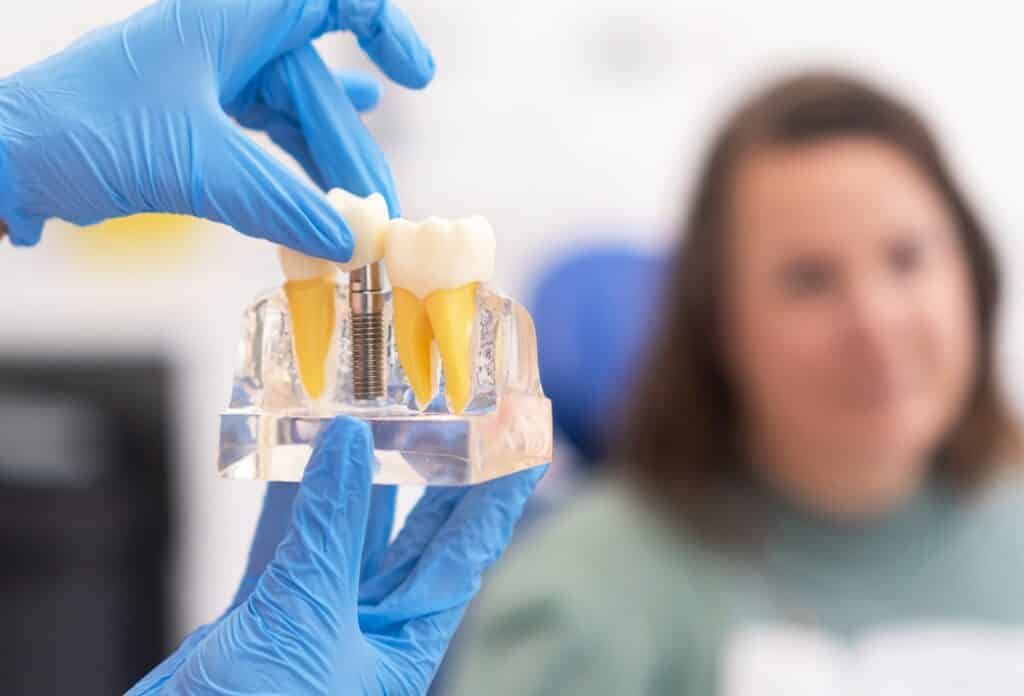
At Glick & Woods Dentistry, patients receive personalized implant care designed to restore both comfort and confidence. Their team evaluates every smile carefully to determine whether bone grafting is needed before placing dental implants.
What Is a Bone Graft?
- Your own bone
- Donor bone material
- Synthetic bone substitutes
- Animal-derived grafting material
Your implant dentist will determine the best option based on your oral health needs and treatment goals.
Why Bone Density Matters for Dental Implants
- Gum disease
- Facial trauma
- Tooth infections
- Denture use
- Aging
- Smoking
Bone grafting helps rebuild the lost structure, so your dental implants have a stable and healthy foundation.
How Do You Know If You Need a Bone Graft?
- Digital X-rays
- 3D imaging
- Oral examination
- Bone measurements
You may need a bone graft if:
You Have Been Missing Teeth for a Long Time
The longer a tooth is missing, the more bone deterioration typically occurs. Even one missing tooth can eventually lead to noticeable bone loss in the jaw.
You Have Advanced Gum Disease
Periodontal disease damages the tissues and bone supporting your teeth. Severe cases can leave the jawbone too weak for dental implants without grafting.
You Wear Dentures
Traditional dentures do not stimulate the jawbone the way natural teeth or implants do. Over time, this can contribute to bone shrinkage.
You Experienced Trauma or Infection
Injuries, severe tooth decay, or dental infections can damage the surrounding bone structure and reduce implant support.
Types of Bone Grafting Procedures
The type of bone graft you need depends on the location and severity of bone loss.
Socket Preservation
This procedure is often performed immediately after a tooth extraction. Bone material is placed into the empty socket to help preserve the jawbone and prepare for future dental implants.
Ridge Augmentation
If the jawbone has become too narrow or thin, ridge augmentation can rebuild the shape and width of the bone.
Sinus Lift
A sinus lift is commonly needed for implants in the upper back jaw. This procedure adds bone beneath the sinus cavity to create enough space for implant placement.
Major Bone Grafting
Patients with extensive bone loss may require more advanced grafting procedures to restore proper jawbone support.
Does Bone Grafting Hurt?
- Over-the-counter pain medication
- Ice packs
- Soft foods
- Rest
Your dentist will provide detailed aftercare instructions to support healing and reduce complications.
How Long Does Healing Take?
- Minor grafts: 3 to 4 months
- Larger grafts: 6 to 9 months
Although this may seem like a lengthy process, proper healing is essential for long-term implant success.
Can Dental Implants Be Placed Without Bone Grafting?
- Loose implants
- Poor healing
- Bite problems
- Implant instability
- Additional corrective procedures later
That is why an experienced implant dentist carefully evaluates bone structure before beginning treatment.
Benefits of Bone Grafting Before Dental Implants
Although bone grafting adds an additional step to treatment, it offers several important advantages.
Improved Implant Stability
A stronger jawbone provides better support for your dental implants and helps them function like natural teeth.
Better Long-Term Success
Bone grafting increases the likelihood of successful osseointegration and long-lasting implant performance.
Enhanced Facial Appearance
Bone loss can contribute to facial sagging and premature aging. Restoring bone volume helps maintain natural facial contours.
Better Oral Function
A stable implant foundation improves chewing, speaking, and overall comfort.
Expanded Treatment Options
Patients who were previously told they were not candidates for dental implants may become eligible after bone grafting.
What to Expect During Your Consultation
- Your medical and dental history
- Imaging results
- Bone density evaluation
- Implant options
- Whether bone grafting is necessary
- Treatment timelines
- Recovery expectations
Patients throughout Tullahoma and nearby communities trust the team for comprehensive restorative care and compassionate treatment.
Restore Your Smile with Confidence
If you are ready to learn whether dental implants are right for you, visit our dental office today and schedule your consultation. Book an appointment with us to take the next step toward restoring your smile and improving your oral health.
Frequently Asked Questions
No. Many patients have enough healthy bone to support implants without grafting. Your dentist will determine whether it is necessary after evaluating your jawbone.
Bone grafting procedures are highly successful when performed by experienced dental professionals and followed by proper aftercare.
Sometimes, small grafts and implants can be completed together, but many patients need a healing period before implant placement.
Coverage varies depending on your dental insurance plan and the reason for treatment. Your dental office can help review your benefits.