
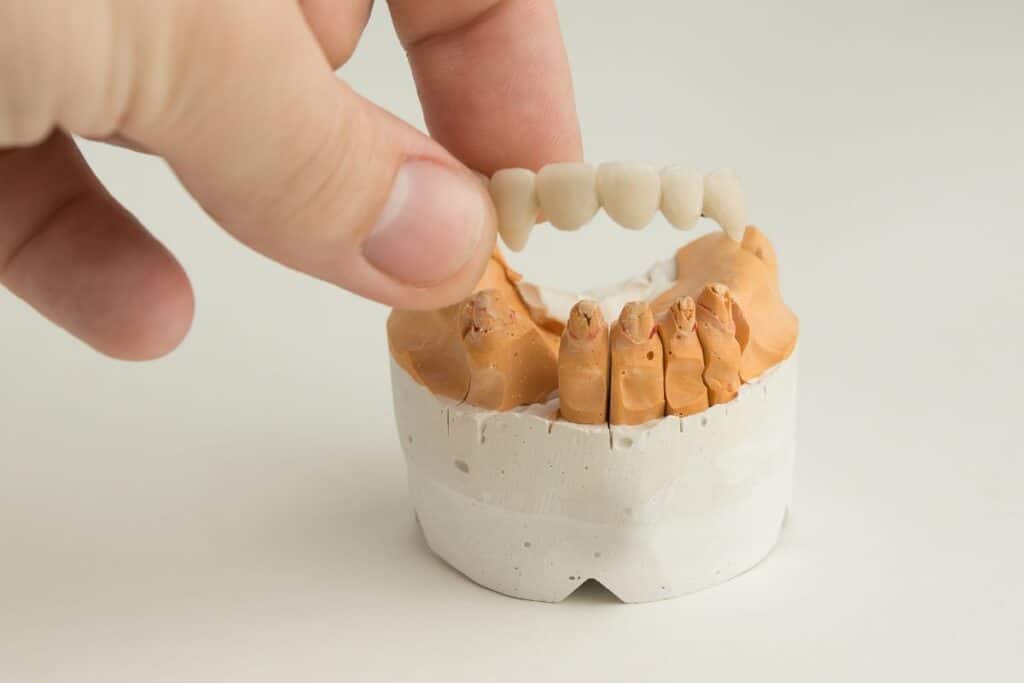
Dental crowns are a common and effective solution for restoring damaged or weakened teeth. They protect and preserve the tooth’s structure, but in some cases, crowns may fall out. This can be an alarming experience, but understanding the reasons behind crown failures can help you take better care of your dental work. In this blog, we’ll explore why crowns fall out, what you should do if it happens, and how to prevent it. If you’re experiencing crown issues, a Dentist in Tullahoma can provide expert advice and treatment options.
What Are Dental Crowns?
A dental crown is a cap placed over a damaged tooth to restore its size, shape, strength, and appearance. Crowns are often made from materials like porcelain, metal, or resin and are designed to mimic the appearance of natural teeth. They are used to:
- Protect weak or decayed teeth from breaking.
- Restore broken or worn-down teeth.
- Cover and support teeth with large fillings.
- Protect teeth after root canal treatment.
Crowns typically last between 10 and 15 years with proper care, but various factors can cause them to fall out unexpectedly.
Common Reasons Why Crowns Fall Out
1. Tooth Decay
One of the most common reasons for crown failure is underlying tooth decay. Even though a crown protects the visible part of the tooth, the tooth underneath can still decay, especially if oral hygiene practices are neglected. Bacteria can accumulate at the crown’s edge, causing decay that weakens the tooth and leads to the crown becoming loose.
Stats:
- According to the American Dental Association, 91% of adults aged 20-64 have had cavities in their permanent teeth, which can increase the risk of crown failure.
2. Cement Erosion
Dental crowns are attached to the tooth using dental cement. Over time, this adhesive can wear down or wash away, especially if exposed to excessive chewing forces or poor oral hygiene. When the cement weakens, the crown may become loose and eventually fall off.
3. Injury or Trauma
Accidents or trauma to the mouth can cause crowns to become dislodged. A hard impact from a fall, sports injury, or accident can loosen or knock out a crown. Additionally, habits like teeth grinding (bruxism) can place undue stress on crowns, leading to failure.
Stats:
- The National Institute of Dental and Craniofacial Research reports that 10-20% of adults grind their teeth, which can increase the likelihood of dental damage, including crown failure.
4. Improper Fit or Installation
If a crown is not properly fitted to the tooth, it may become loose over time. An ill-fitting crown may not seal properly, allowing bacteria to enter and cause decay or other issues. In some cases, a poorly fitted crown may never bond properly with the tooth, leading to early failure.
5. Chewing on Hard Objects
Crowns are durable, but they are not indestructible. Chewing on hard objects such as ice, hard candy, or non-food items like pens can damage or dislodge crowns. Repeated stress on the crown can eventually cause it to break or fall out.
6. Natural Wear and Tear
Crowns, like natural teeth, are subject to wear and tear over time. Biting, chewing, and the effects of aging can weaken the crown or its bond to the tooth. After years of use, the crown may need to be replaced, especially if signs of deterioration are present.
What Should You Do If Your Crown Falls Out?
If your dental crown falls out, it’s important to take immediate action. Here are the steps you should follow:
- Retrieve the Crown: If possible, carefully recover the crown. Avoid handling it excessively, as this can damage it further.
- Rinse Your Mouth: Rinse your mouth gently with warm water to remove any debris or bacteria.
- Call Your Dentist: Contact a Dentist in Tullahoma as soon as possible. They will assess the situation and recommend the best course of action.
- Temporary Solution: If you can’t see your dentist right away, you can temporarily reattach the crown using dental adhesive available at most drugstores. However, this is only a short-term solution, and professional care is still necessary.
- Avoid Chewing on the Affected Side: Until the crown is reattached or replaced, avoid chewing on the side where the crown was located to prevent further damage.
How Can You Prevent Crowns from Falling Out?
While some crown failures are unavoidable, there are several steps you can take to minimize the risk:
1. Maintain Proper Oral Hygiene
Good oral hygiene is crucial for the longevity of your crown. Brushing twice a day and flossing daily will help remove bacteria and plaque that can lead to decay. Pay special attention to the area where the crown meets the gum line, as this is where bacteria tend to accumulate.
2. Regular Dental Checkups
Visiting your Tullahoma dentist regularly for checkups and cleanings will allow them to monitor the condition of your crown and the tooth underneath. They can catch potential problems early before they lead to crown failure.
3. Avoid Hard Foods and Objects
Be mindful of what you eat and chew. Avoid hard or sticky foods that can damage or dislodge your crown. Refrain from using your teeth to open packaging or biting on non-food objects.
4. Wear a Mouthguard
If you grind your teeth or engage in contact sports, wearing a mouthguard can protect your crown from unnecessary damage. A custom-fitted mouthguard from a Tullahoma dentist can provide the best protection.
5. Replace Worn Crowns
Crowns will naturally wear down over time. If your crown is more than a decade old, or if you notice any cracks, discoloration, or discomfort, it may be time to consider replacing it.
Stats:
- The American Dental Association recommends replacing crowns after 10-15 years, depending on the material and condition of the crown.
Conclusion: Take Action to Protect Your Crowns
While dental crowns are a reliable solution for restoring damaged teeth, they are not immune to failure. Understanding the common reasons why crowns fall out—such as tooth decay, cement erosion, or trauma—can help you take proactive steps to protect your dental work. Regular dental visits, good oral hygiene, and avoiding damaging habits will go a long way in ensuring your crown lasts for years to come.
If you’re concerned about your crown or need expert advice on how to care for your dental work, schedule an appointment with a Dentist in Tullahoma today. They can help you maintain a healthy smile and prevent future issues.